Disclosure – this is a collaborative post.
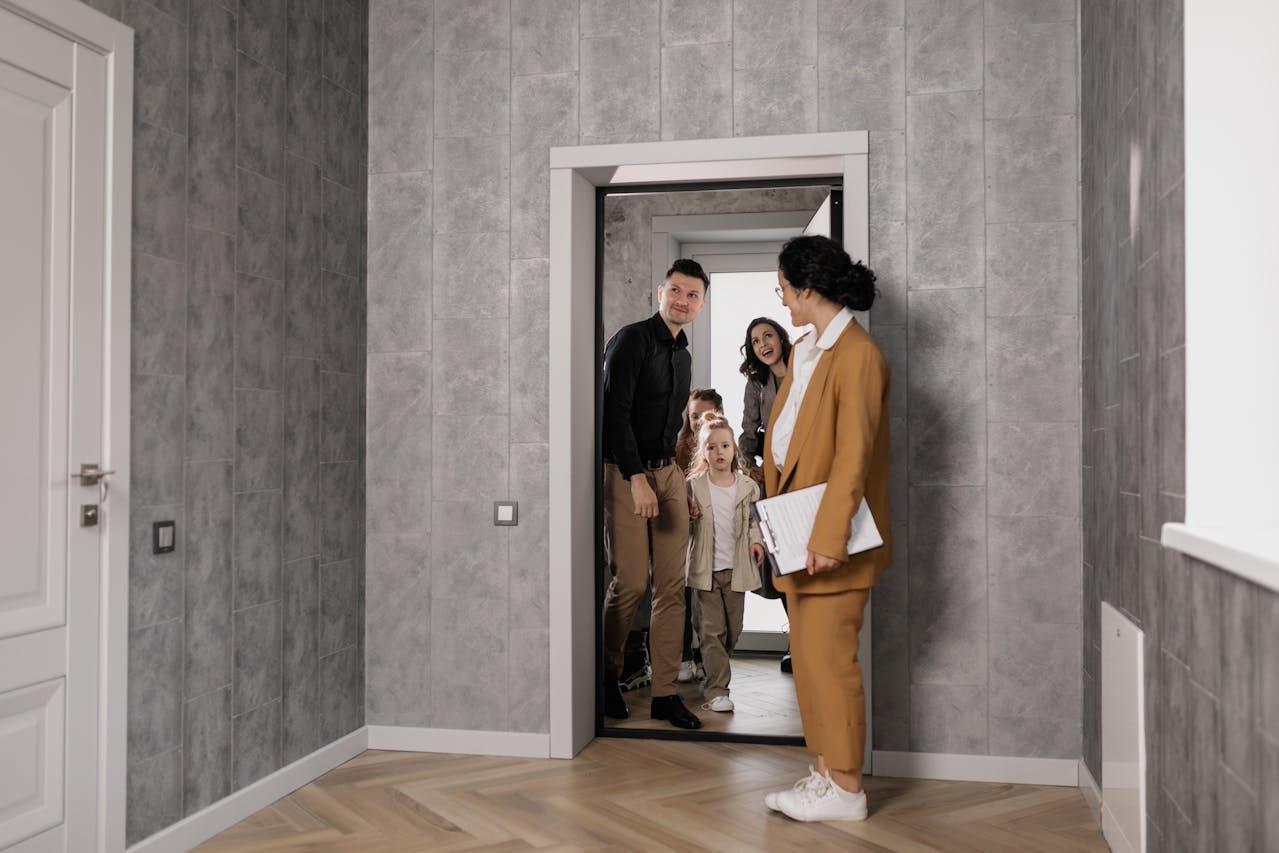
Moving into a brand-new property with the family is just as overwhelming as it is exciting. Things might feel new and pristine, yet oddly unfamiliar, particularly for kids.
It takes a while to adjust and settle in, no matter where you’ve moved, but there are a few things you can do to make the process simpler for you.
Create Comfort Quickly with Familiar Spaces
Children settle in faster when something recognisable anchors them during the commotion of moving. A new bedroom can seem cold if it lacks visual clues from your old home, even if the layout works better. Start by adding familiar details from their old room into the new one. Use the same bedding, arrange favourite books in the same order, or position a well-loved chair where your child usually curls up to read. These details signal continuity and help children relax at bedtime because the room looks and feels known.
Furniture placement also matters. Moving into a new build offers a fresh start. You may be tempted to experiment with new furniture layouts, which is great, but don’t make them wildly different, as familiarity supports children emotionally.
Add Warmth Through Personal Touches and Family Rituals
Blank walls can often feel cold and impersonal. Display children’s artwork at eye level or hang family photos along staircases where you pause each day. These touches remind children that the home reflects their lives, not anyone else’s.
The same goes for rituals. Keep routines intact by marking out a clear space for daily habits such as homework or evening games. Avoid changing everything at once. Familiar rhythms ground children and make the house feel dependable. When children know what to expect each evening, they relax and start associating the new space with safety.
Make the Most of Modern Design
Many new builds feature open-plan layouts and efficient home storage, which can support family life when used thoughtfully. Open spaces allow you to supervise play while cooking or working nearby, but children still need defined zones.
A rug under a toy area or a bookcase that subtly divides space helps children understand where activities belong. This structure reduces mess-related stress and makes tidying feel manageable.
Use Outdoor Spaces to Help Children Settle and Play
Gardens and balconies are often the last thing you think about when you first move in. However, playing in the garden is a great way for children to burn off energy outside while forming positive associations with their new surroundings. Even a small patio can become an extension of playtime if you set it up for everyday use rather than occasional weekends.
Introduce nd encourage outdoor activities, such as a treasure hunt or ball games. Regular outdoor time helps children unwind after school and encourages better sleep, while marking the garden as something fun rather than a feature.
Disclosure – this is a collaborative post.

