
Disclosure- This is a collaborative post.
When planning an outdoor patio, the choice of tile material can significantly impact both aesthetics and functionality. Two popular options are porcelain and natural stone tiles. Each type offers distinct advantages in terms of durability, appearance, and maintenance. This article will delve into the durability of porcelain and natural stone Outdoor Patio Tiles, helping you determine which material best suits your needs. We’ll explore the specific attributes that make each tile type robust and how they handle the challenges of outdoor environments.
Porcelain Outdoor Patio Tiles and Their Durability
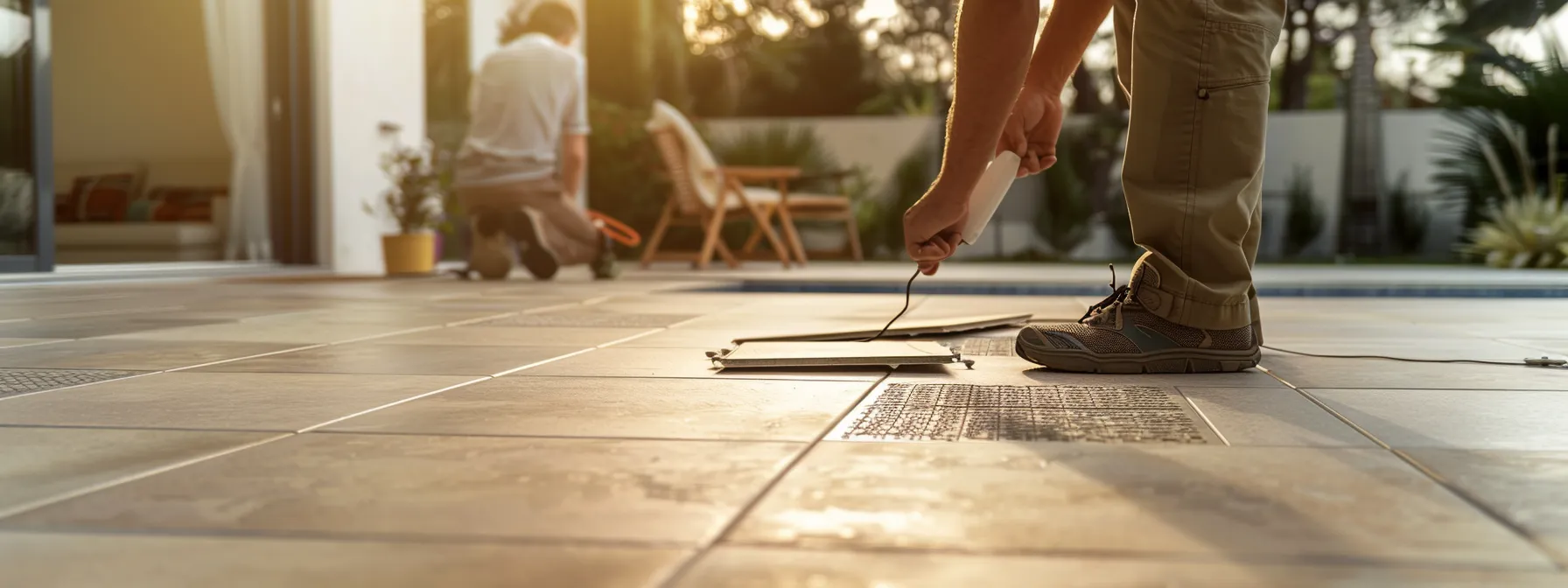
Porcelain tiles are often celebrated for their density and low porosity, which make them exceptionally resistant to moisture and staining. These characteristics are particularly beneficial in outdoor settings where exposure to the elements is constant. Porcelain tiles are manufactured using high-temperature kilns, resulting in a hard surface that resists scratches and chips. This strength is a key factor in their durability when used as Outdoor Patio Tile.
An important consideration in choosing porcelain tiles is their ability to withstand freeze-thaw cycles. Because they absorb minimal water, they are less likely to crack in freezing conditions, a common issue in colder climates. Additionally, recent advances in material palette technology allow porcelain tiles to mimic the look of natural stone, providing aesthetic versatility without compromising performance.
When designing your patio, incorporating a CAD (Computer-Aided Design) system can help visualize how porcelain tiles will fit into your space. This tool aids in creating a cohesive design that aligns with your overall mood board and space planning goals, ensuring both visual appeal and practical functionality.
Natural Stone Outdoor Patio Tiles Pros and Cons
Natural stone tiles, including options like slate, granite, and travertine, offer a unique aesthetic that is difficult to replicate. Each stone has its own inherent beauty and character, providing a one-of-a-kind look for any patio. However, this uniqueness comes with a need for regular maintenance to maintain its appeal and durability.
One of the significant benefits of natural stone is its inherent strength. However, the porosity of some stones, such as limestone, can pose challenges in wet environments. Proper sealing and maintenance are crucial to prevent water absorption and subsequent damage. Natural stone’s ability to withstand heavy foot traffic makes it an excellent choice for high-usage areas.
Choosing the right type of natural stone involves conducting a thorough site analysis to ensure zoning compliance and to understand the environmental conditions it will face. This analysis can help guide the selection of stone that will perform well over the years, keeping your outdoor space looking its best.
Comparing Weather Resistance in Outdoor Tiles
Weather resistance is a critical factor when evaluating the durability of Outdoor Patio Tiles. Porcelain tiles typically excel in this area due to their non-porous surface, which offers superior resistance to water and frost. This feature makes them a preferred choice in regions with severe weather fluctuations.
Natural stone, while robust, requires careful selection and maintenance to match the weather resistance of porcelain. Stone such as granite is more durable against harsh weather compared to softer stones like sandstone. The durability of natural stone can be enhanced with regular sealing, which protects against moisture intrusion and helps maintain its appearance over time.
Incorporating a finish schedule into your patio planning can help manage the long-term care of your chosen material, ensuring it remains resistant to weather conditions. This schedule will outline necessary maintenance activities, ensuring both porcelain and natural stone tiles retain their durability over the years.
Selecting the Right Outdoor Tile for Longevity
When selecting outdoor tiles, consider both immediate and long-term factors. Porcelain tiles offer a blend of durability, low maintenance, and aesthetic flexibility, making them a strong contender for many homeowners. Their ability to mimic the appearance of natural stone while offering superior weather resistance is a significant advantage.
Natural stone, on the other hand, provides an authentic, timeless appeal that many find irresistible. To ensure longevity, it is crucial to select a stone type that aligns with your climate and usage needs. Implementing a lighting plan that highlights the unique textures and colors of natural stone can enhance its visual impact in your outdoor space.
Ultimately, the choice between porcelain and natural stone will depend on your specific requirements and preferences. For those seeking a balance between beauty and durability, porcelain Outdoor Patio Tile may offer the best of both worlds, especially in climates with extreme weather conditions.
Conclusion

Choosing the right Outdoor Patio Tile involves evaluating durability, maintenance requirements, and aesthetic preferences. Porcelain and natural stone each have their advantages, with porcelain offering superior weather resistance and natural stone providing unique beauty. Assessing your specific needs and environmental conditions will guide you to the best choice for a long-lasting and visually appealing outdoor space.
Disclosure – this is a collaborative post.

