

Disclosure – this is a collaborative post.
Digital integration is a major part of many businesses today, even those that still operate brick-and-mortar stores. Rather than competing with online businesses, many of them are looking to cover all of their bases by moving things to the omnichannel. However, while that word might sound impressive enough to convince many business owners to leap online, they should be careful about leaping before they look. To that end, we’re going to take a closer look at how to make sure that your move to the omnichannel works best for your business and your customers.
Know What The Omnichannel Really Means
Getting your business presence on multiple platforms is an important part of being on the omnichannel, but it’s not enough. You need to make sure that your customers have a seamless and connected journey across all of your touchpoints. Customers should be able to access the same products and the same great service whether they first find your business on social media, by following a direct link to your site, or by setting foot inside your store. What’s more, they should be able to continue that journey across your platforms with little to no friction. Your branding, messaging, pricing, and customer experience need to remain the same across the board, with minimal chance of repetition for the customers.
Map Your Customer Journey
A good omnichannel experience should work to create a connected thoroughline no matter which way your customer first finds your business, however they want to complete a transaction, but having a clear understanding of how that journey tends to go can make sure that you’re able to effectively clear the way for them. Identify all of your touchpoints, including in-person, social media, website, email, and phone, and how customers tend to move between them, such as discovering your brand on social media, then clicking through to arrive on your site. Look for points of friction, such as clicking a social media post but then having to navigate directly to the product that caught their interest in the first place, and think about ways you can remove that friction, such as using landing pages. Consider different customer behaviors, including switching between devices or channels before buying. This mapping process helps you identify gaps and opportunities to improve the experience.
Establish A Strong Online Presence
For most businesses operating in the real world, through brick-and-mortar stores, the biggest leap is making sure that your business is able to pick up the ball and run with it online. A strong online presence, including a mobile-friendly website that’s easy to navigate, is crucial, as are active profiles on the platforms your customers use the most, like social media and online marketplaces. The information your business provides across all touchpoints should be up-to-date and in sync, with contact details for your store and central operations.
Integrate Your Sales Channels
What makes a business truly omnichannel is when your different sales channels, be they online, mobile, or in person, are able to start working together to start and complete the sales process from as many different points as possible. This can mean using inventory management systems to sync your displays across the board, showing accurate stock levels anywhere that your customers can take a look at your products, aligning pricing across platforms, and considering flexible options like buying online and collecting in person, or ordering in person for sales completed by deliveries. A unified system for tracking sales and orders should work across all platforms and allow your team to track those orders no matter how the customer gets in contact, as well.
Leverage The Right Technology
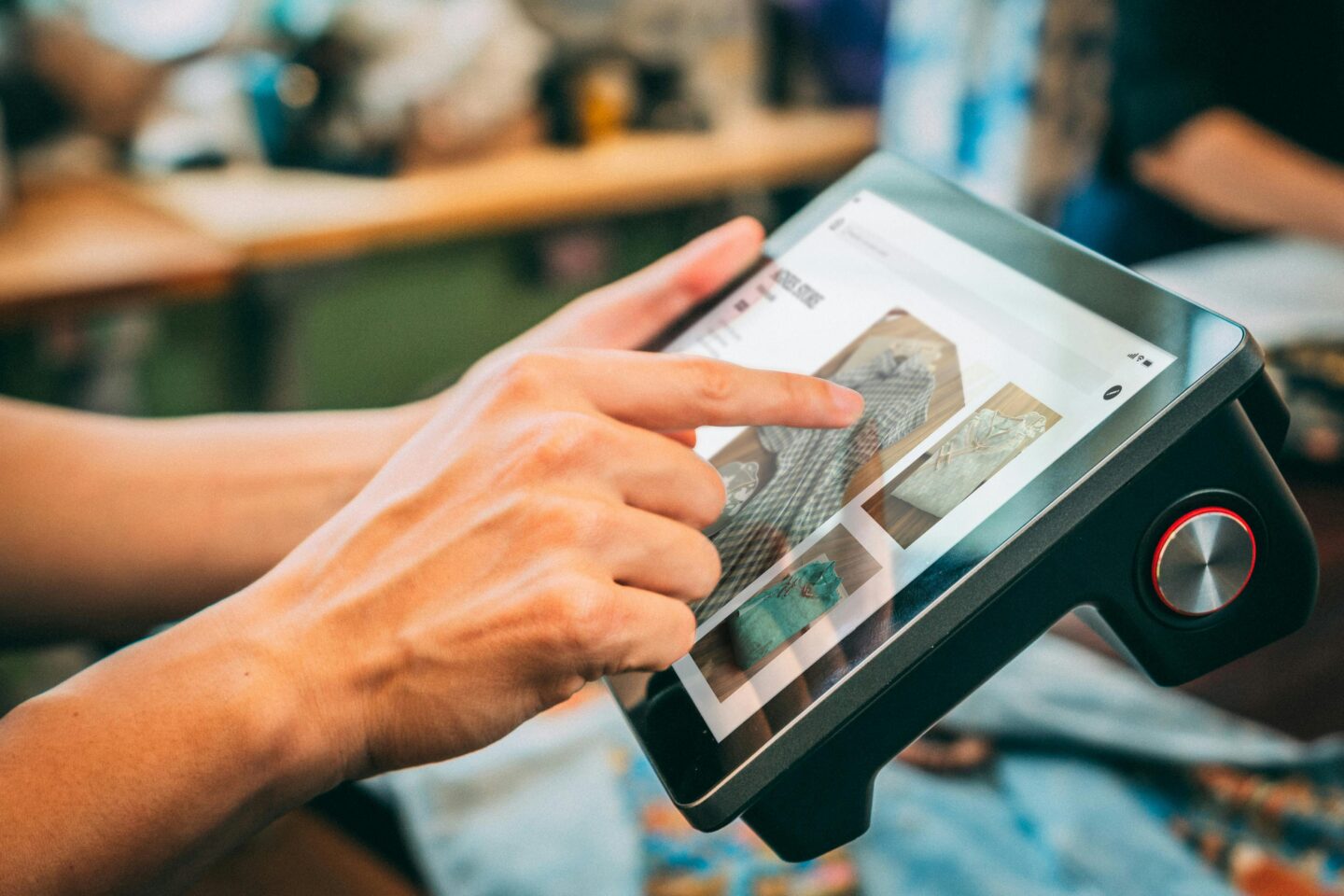
Technology plays a crucial role in delivering a true omnichannel experience. Today’s customers expect to be able to reach out and complete a purchase on the go, so making sure that your business is optimized for the mobile experience at every level is crucial. This means not just having a responsive website, but mobile-friendly booking and ordering systems with secure checkout systems, as well. For instance, omnichannel hybrid POS systems can allow customers to complete sales and pay securely in a variety of different environments and platforms, but through the same process, providing a level of consistency and peace of mind that can make them a lot more confident in completing purchases, no matter where they are. By embracing mobile tools, you not only improve convenience for customers but also gain flexibility in how and where you operate.
Centralize Your Customer Data
In order to be able to provide seamless and frictionless customer experiences as best as possible across a range of touchpoints, you should be able to remember who your customers are. Using customer relationship management platforms and customer accounts, you can collect information from every interaction, from online purchases to in-person transactions and inquiries over the phone, and keep it in one place to get a better picture of the customer and their preferences. Not only can you use this to allow them to better track their own activity through your website, for instance, but also to tailor your marketing campaigns, recommend relevant products, and better anticipate their needs. Effective data collection can also help you to assess your business and get a better idea of how it’s performing
Deliver Consistent Customer Support
The omnichannel experience goes a lot smoother when your team is there to help it do so. Customers should get the same level of service, no matter how they reach out, which means you should have a team that’s trained to operate in-person, over the phone, by email, or in a chatbox, however the case may be. Effective training has to be supported by effective employee engagement, as satisfied employees are a lot more likely to put in the necessary energy to create satisfied customers, as well, which leads to more sales and a better reputation. Collecting information on how each customer interaction goes can help you see where you need to sharpen your support, as well.
Moving your business to the omnichannel does have huge potential benefits for your business when that move is managed right. The tips above can hopefully help you make the best of the move.
Disclosure – this is a collaborative post.
