Disclosure – this is a collaborative post.
Children are curious by nature, and they often have many questions about the world. Among those questions could be enquiries about germs, health, and specifically, food safety. While it’s vital to educate them on this issue, it’s just as essential to ensure that the information doesn’t become a source of unnecessary anxiety or fear. Therefore, the key is to approach this topic in a kid-friendly manner, discussing it matter-of-factly and using age-appropriate language. Here’s how to talk about food safety to your children without scaring them.
A Balanced Approach to Food Safety
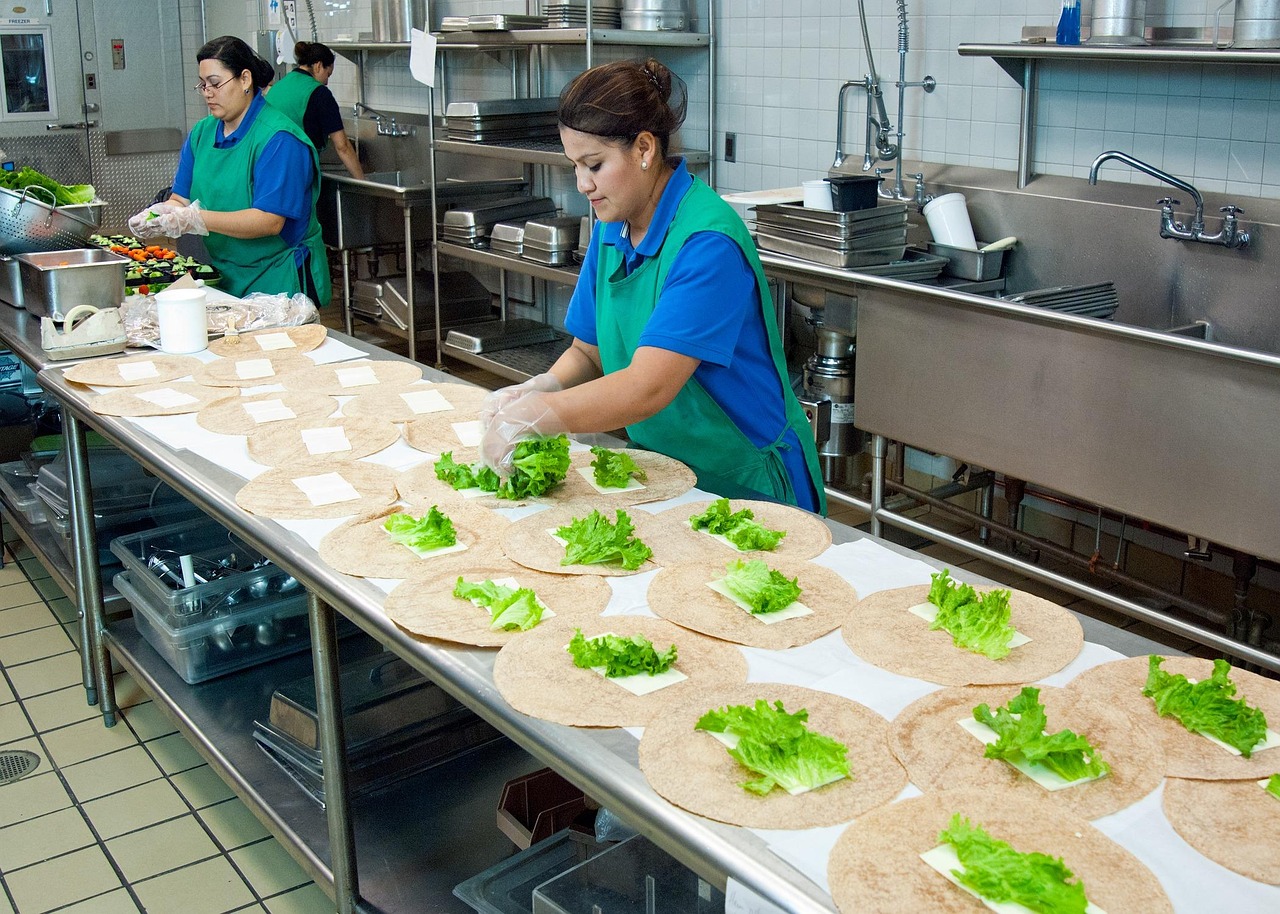
The goal is not to build a phobia but to instil responsible behaviours. To achieve this, balance is crucial. It’s okay to tell them about the various reasons food can be dangerous and the consequences it may have. As an example, you could reference times when foods have been recalled, such as the Taylor Farms salad recalls, and explain that the brands did so to keep people safe and healthy.
For every potential risk you discuss, introduce corresponding safety measures. This will emphasise that responsible action can prevent most food-related illnesses. Show your kids that eating never needs to be risky if we’re all just a bit mindful about how we handle and consume food.
Explore the Science of Germs
A good place to start is by teaching them about bacteria, viruses, and moulds, but remember to keep the tone light. Use visually illustrative books or videos that explain germs in a simple yet scientifically accurate way. This can help children understand why it’s important to wash their hands and food. You could perhaps make it more interesting with some DIY science projects about bacterial growth and germ prevention.
Build Understanding through Practical Demonstrations
Show, don’t just tell. Children learn better through observation and practical application. Take them grocery shopping and explain why we choose certain produce over others and why it’s important to keep raw meat separate from other foods. Make them a part of the cooking process, explaining why we thoroughly cook certain foods and why we refrigerate others. Each step is an opportunity to educate them about food safety without alarming them.
The Five Key Principles of Food Safety
The World Health Organisation has outlined five key principles of food safety. Use these points to define and organise your discussions:
- Keep Clean: Teach them about proper hand hygiene before and after handling food.
- Separate Raw and Cooked: Explain about cross-contamination and why we keep raw and cooked food separate.
- Cook Thoroughly: Discuss why thorough cooking kills harmful germs.
- Keep Food at Safe Temperatures: Talk about why certain foods need to be stored in cold temperatures and why hot foods should remain hot until served.
- Use Safe Water and Raw Materials: Lastly, explain the importance of clean water and fresh produce in preventing food-related illnesses.
Creating Food Safety Rules
Create a set of food safety rules for your household in a fun and engaging way. You could make a colourful chart or poster and hang it in your kitchen. This visual reminder can help children remember the rules and take them more seriously. Ensure these rules are worded positively, focusing on the do’s more than the don’ts, and explain why each rule is essential.
Be the Example They Can Follow
Children are keen observers and learn a lot from mimicking adult behaviour. Make sure to uphold high standards of food safety in your daily actions. Let your actions echo your words, reinforcing the lessons you’ve taught them.
Turning Mistakes Into Teachable Moments
Mistakes will inevitably happen, but don’t turn them into a source of anxiety or punishment. If a child forgets to wash their hands or leaves food out too long, remind them of the rules and turn the error into a teachable moment without instilling shame or fear.
In conclusion, the goal when teaching children about food safety is to equip them with knowledge, foster good habits, and avoid creating food-related fears. By approaching these lessons with care and patience, you can help lay the foundation for a lifetime of safe, healthy eating habits.
Disclosure – this is a collaborative post.