
Disclosure – this is a collaborative post.
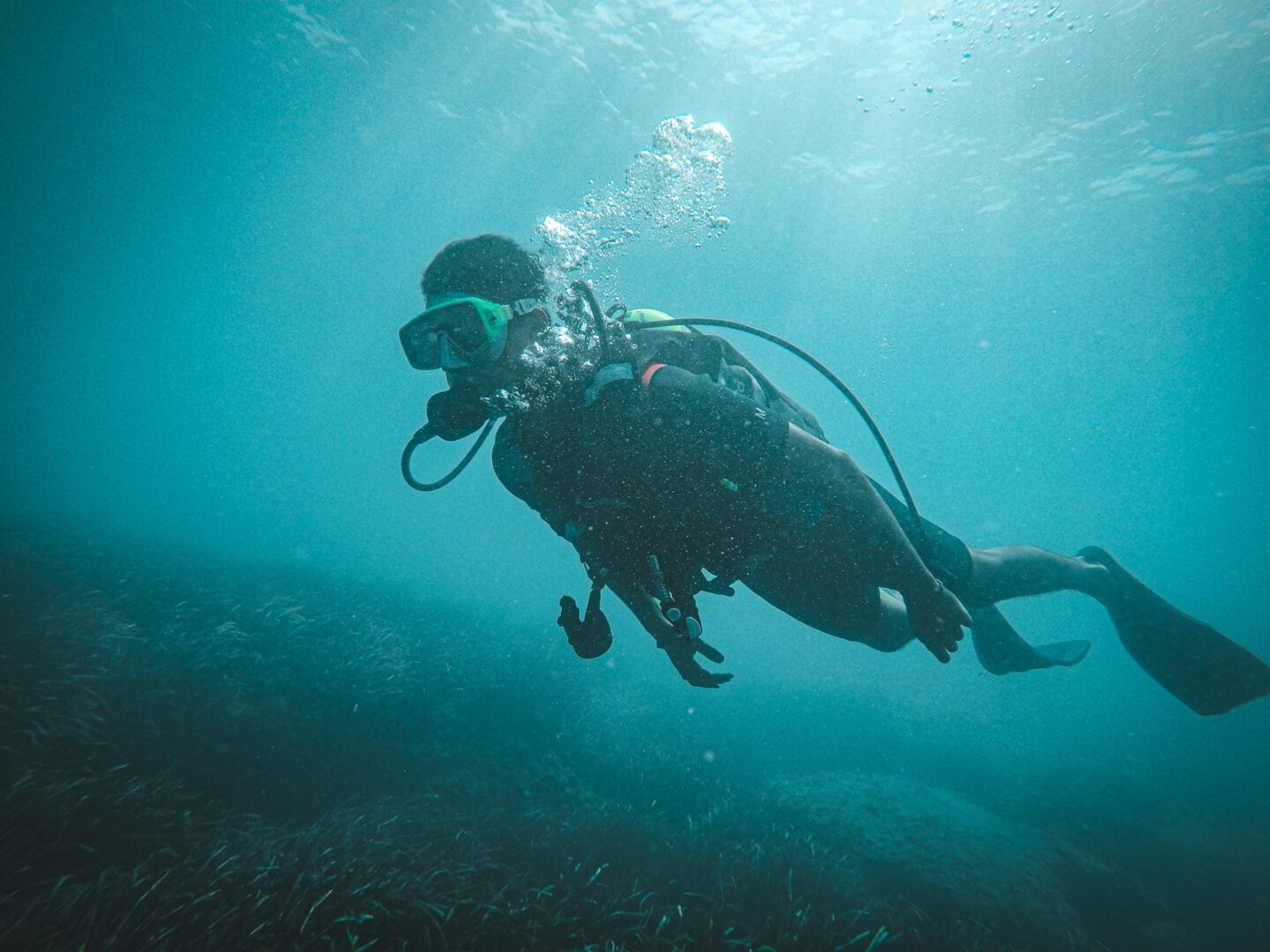
The Florida Keys are one of the most celebrated diving regions in the United States. Stretching across a chain of tropical islands, the area is known for clear waters, vibrant coral reefs, and abundant marine life. Among these islands, Islamorada stands out as a key diving hub in the heart of the Keys, offering easy access to nearby reefs and wreck sites through local scuba operators.
Choosing the right scuba operator in Islamorada comes down to five essentials: safety standards, certified instructors, well-maintained equipment, local reef knowledge, and positive customer reviews. A reliable operator should prioritize diver safety, offer transparent pricing, maintain small group sizes, and provide clear communication before and during the dive. This ensures both an enjoyable underwater experience and peace of mind while exploring the ocean.
Beyond its natural beauty and guided dive experiences, many divers plan their trips around well-known Florida Keys dive sites because of their accessibility, biodiversity, and variety of underwater landscapes, making the region a complete diving destination for beginners and experienced divers alike.
Understanding Your Diving Goals
Before booking an operator, decide what type of diving experience you want. Some operators specialize in beginner certification dives, while others focus on advanced reef exploration, wreck diving, or underwater photography trips.
Knowing whether you want a relaxed reef dive or a more technical adventure helps narrow your options quickly. Ask operators about dive depth, current conditions, and marine life you can expect to see.
Check Certifications and Safety Practices
Safety should always be your top priority. Look for operators affiliated with recognized training agencies such as PADI, NAUI, or SSI. Professional dive masters and instructors should hold current certifications and emergency training.
A trustworthy operator will openly discuss safety briefings, emergency oxygen availability, and weather policies. Boats should be clean, organized, and equipped with modern navigation and communication systems.
Evaluate Equipment Quality and Maintenance
Even experienced divers benefit from reliable rental equipment. Ask how often regulators, tanks, and buoyancy devices are serviced. Well-maintained gear indicates professionalism and commitment to customer safety.
If you plan to rent equipment, check whether the operator offers properly fitted gear rather than generic sizing. Comfort underwater significantly improves the overall diving experience.

Small dive groups often create safer and more enjoyable trips. Large groups may lead to rushed briefings or limited individual guidance. Operators that limit diver numbers can provide personalized assistance, especially helpful for beginners or divers returning after a long break. Personalized attention also improves marine life encounters because groups move calmly and responsibly around reefs.
Read Reviews and Ask Local Questions
Online reviews provide insight into real customer experiences. Look for consistent praise regarding professionalism, punctuality, and crew friendliness rather than focusing only on star ratings.
Speaking directly with staff before booking can also reveal how attentive and knowledgeable they are. Experienced operators are happy to answer questions about conditions, visibility, and seasonal highlights
Compare Pricing Without Sacrificing Quality
While budget matters, the cheapest option is rarely the best in scuba diving. Transparent pricing that includes tanks, weights, boat fees, and guide services usually signals an honest business. Hidden costs or unclear policies can indicate poor organization. Investing slightly more often leads to safer operations and a more memorable trip.
Choose Operators with Local Expertise
Local knowledge makes a significant difference underwater. Operators familiar with tides, currents, and reef health can select optimal dive locations each day. Experienced captains know when conditions favor specific Florida Keys dive sites, ensuring better visibility, safer entry points, and richer marine encounters.
Key Takeaways
- Choose operators that prioritize safety certifications and clear procedures.
- Define your diving goals before selecting a company.
- Look for well-maintained equipment and small group sizes.
- Read customer reviews and communicate directly with staff.
- Value local expertise and transparent pricing over low costs alone.
Disclosure – this is a collaborative post.

