Disclosure – this is a collaborative post.
Parents often focus first on style, sizing, or price when shopping for children’s clothing, but fabric quality frequently has a much bigger impact on how clothing actually performs in everyday life. Kids move constantly, spill frequently, grow quickly, and place enormous wear on their clothes through school, outdoor play, sports, travel, and daily activities. Because of this, the materials used in children’s clothing can significantly influence comfort, durability, practicality, and even long-term value.
Over the last several years, many parents have also become more selective about the types of fabrics their children wear regularly. Conversations around softness, breathability, skin sensitivity, sustainability, and long-term durability have become increasingly common within parenting communities. Rather than purchasing large volumes of inexpensive fast-fashion items that wear out quickly, many families now prefer fewer pieces that can handle repeated use while remaining comfortable and visually appealing. This shift reflects broader changes happening across consumer culture, where quality and longevity are beginning to matter more than constant seasonal turnover.
Children Experience Clothing Differently Than Adults
Children interact with clothing very differently than adults do. Adults may tolerate stiff fabrics, uncomfortable seams, or restrictive materials for aesthetic reasons, but children usually respond immediately when clothing feels irritating or uncomfortable.
Scratchy textures, poor breathability, overheating, rough stitching, and rigid fabrics can all affect how children move, play, sleep, and behave throughout the day. Younger children especially may struggle to communicate discomfort clearly, which means parents often notice issues through irritability, constant adjustment of clothing, or refusal to wear certain items altogether.
Softness and flexibility therefore become extremely important considerations. Fabrics that move naturally with the body and maintain comfort during long periods of activity are often far more practical for daily wear than heavily trend-focused garments that prioritize appearance over functionality.
Durability matters equally as much. Children’s clothing is washed repeatedly, exposed to outdoor environments, stretched through active movement, and subjected to spills, stains, and rough use. Lower-quality fabrics may quickly fade, pill, shrink, or lose shape after only a few washes, creating frustration for parents and reducing the useful lifespan of the garment.
Breathability Has Become Increasingly Important
Modern parents are also paying closer attention to breathability and temperature regulation when selecting clothing for children. Children often transition rapidly between indoor and outdoor environments throughout the day. Schools, playgrounds, sports practices, vehicles, and seasonal weather changes can all create fluctuating temperatures that affect comfort levels significantly.
Breathable fabrics may help reduce overheating and moisture buildup during active play while also improving general comfort during long wear periods. Lightweight cotton blends, soft knit fabrics, and flexible natural fibers are frequently preferred because they allow easier airflow while remaining comfortable against sensitive skin.
Organizations including the American Academy of Pediatrics continue emphasizing the importance of maintaining comfortable sleep and clothing environments for children, particularly for younger age groups who may be more sensitive to overheating and environmental discomfort. As awareness grows, many parents increasingly view fabric selection as part of overall wellness and comfort rather than simply a fashion decision.
Parents Are Moving Away From Disposable Kidswear
Fast fashion has heavily influenced children’s clothing markets over the past decade, but many families are beginning to reconsider the long-term value of constantly replacing low-quality garments.
Cheaply produced items may appear affordable initially, but repeated replacement costs often add up quickly when fabrics deteriorate after minimal use. This has encouraged more parents to invest in pieces designed for longer wear cycles rather than purely short-term convenience.
Firebird Kids reflect this growing interest in quality-focused children’s clothing by emphasizing comfortable, durable, and long-lasting kidswear designed for active everyday use. Many parents now appreciate clothing that combines softness and practicality with designs capable of handling repeated washing, movement, and regular wear without quickly losing shape or comfort.
This approach also aligns with growing interest in more thoughtful consumer habits among younger families. Rather than constantly purchasing trend-driven items that may only last briefly, many parents increasingly prioritize timeless pieces that remain wearable across multiple seasons or even between siblings.
Fabric Quality Often Affects Appearance Over Time
One aspect of children’s clothing that parents quickly notice is how dramatically fabric quality influences long-term appearance. Some garments look attractive when brand new but rapidly lose visual appeal after repeated washing. Colors may fade unevenly, collars may stretch, seams may twist, and fabrics may become thin or rough. Even minor deterioration can make clothing appear significantly older than it actually is.
Higher-quality materials often maintain their structure, softness, and color consistency much longer. This helps clothing continue looking presentable even after extensive use.
For busy families, this matters practically as well as financially. Clothing that retains its appearance longer may reduce the need for constant wardrobe replacement while also making it easier to reuse or hand down items between children. This has become especially important as many families attempt to balance rising household costs with increasing awareness around waste and overconsumption.
Comfort Can Influence Confidence and Activity
Children are often more physically expressive and active than adults, which means uncomfortable clothing can directly affect confidence and participation in daily activities.
If fabrics feel restrictive, itchy, overly hot, or awkward during movement, children may become distracted or less comfortable engaging in play, sports, social activities, or school routines. Comfortable clothing helps support natural movement without constantly pulling attention toward discomfort.
This is particularly important for younger children still developing independence and confidence in group settings. Clothing that allows them to move freely, regulate temperature comfortably, and feel physically at ease may contribute positively to everyday experiences.
Parents increasingly recognize that children’s clothing is not simply decorative. It functions as part of a child’s daily environment, influencing comfort, mobility, and routine experiences throughout the day.
Sustainability Conversations Are Influencing Parenting Decisions
Sustainability has also become a growing factor in family purchasing decisions. Many parents now think more carefully about how often clothing is replaced and how quickly garments end up discarded.
Lower-quality fabrics that wear out rapidly contribute heavily to textile waste because items become unusable after relatively little wear. Durable garments that maintain quality longer may help reduce unnecessary replacement cycles.
According to the United Nations Environment Programme, textile waste and overproduction remain major environmental concerns globally as clothing consumption continues increasing worldwide. This has encouraged broader discussions about durability, production quality, and longer-lasting consumer products across many industries, including children’s fashion.
While not every family approaches shopping through a sustainability lens, many parents increasingly appreciate products designed around longevity rather than rapid disposal.
Thoughtful Wardrobes Often Simplify Daily Parenting
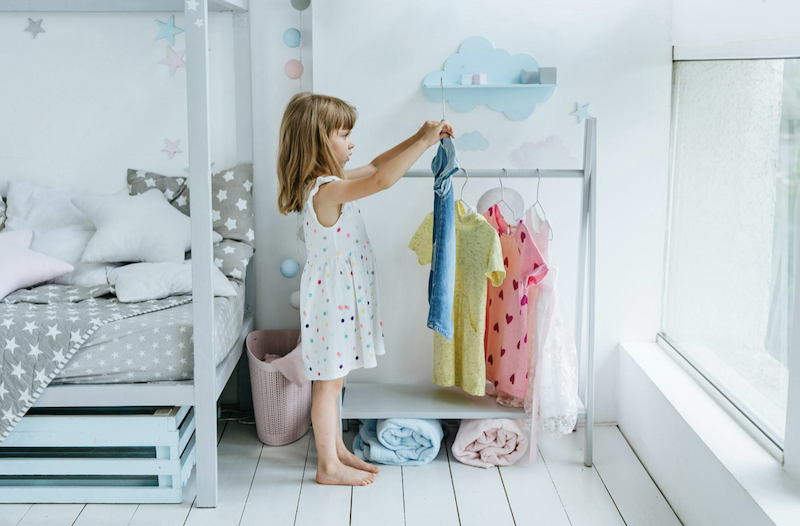
Another reason fabric quality matters is that well-made clothing often simplifies daily routines for parents themselves. When clothing remains comfortable, durable, and easy to maintain, parents spend less time dealing with shrinkage issues, damaged seams, fading fabrics, or constant replacement shopping. Reliable basics that consistently fit well and withstand daily use can reduce stress within already busy household schedules.
Many families are therefore shifting toward smaller but more functional wardrobes centered around versatile, durable essentials. Neutral colors, flexible layering pieces, soft everyday fabrics, and timeless designs often support easier outfit coordination while reducing unnecessary clutter. This approach reflects a larger parenting trend focused on practicality, organization, and long-term usability rather than excessive accumulation.
Quality Often Becomes More Noticeable Over Time
One interesting aspect of children’s clothing is that quality often becomes more obvious after months of use rather than during the initial purchase itself. Almost any garment can look appealing on a store shelf. The real difference emerges after repeated washing, active movement, weather exposure, and long-term wear. Fabrics that remain soft, structured, breathable, and visually consistent through everyday use often provide substantially better overall value despite potentially higher upfront costs.
As parenting conversations continue evolving around comfort, sustainability, durability, and intentional purchasing, fabric quality is becoming a far more important part of how families evaluate children’s clothing choices.
Rather than viewing kidswear as disposable or temporary, many parents now approach it as an investment in comfort, practicality, and everyday functionality that supports children throughout the realities of active daily life.
Disclosure – this is a collaborative post.

