
Disclosure – this is a collaborative post.
Family life is often a constant balancing act. Parents want children to stay active, spend time outdoors, build healthy routines, and enjoy meaningful moments together. At the same time, modern households are full of screens, apps, digital entertainment, homework platforms, streaming services, and online communities.
The challenge is not removing technology completely. For most families, that is neither realistic nor necessary. The real goal is balance.
Children benefit from movement, fresh air, creative play, and face-to-face connection. Adults also need time to rest, recharge, and enjoy their own interests. A healthy household makes room for all of these things without allowing any one activity to take over daily life.
Movement Still Matters
Active play is one of the simplest ways to support children’s wellbeing.
Running around the park, jumping over puddles, dancing in the kitchen, climbing at the playground, playing football in the garden, or walking to school all help children develop strength, coordination, confidence, and independence.
Physical activity does not need to look like formal sport.
For younger children especially, movement often happens naturally through play. Parents can encourage this by making outdoor time easy and enjoyable rather than treating it like another task on the family schedule.
A walk after dinner, a weekend trip to a local park, or a quick game in the garden can make a meaningful difference.
Small Habits Are Easier to Keep
Many families struggle because they try to make lifestyle changes too complicated.
A new routine does not have to involve expensive equipment, long journeys, or perfectly planned activities. Simple, repeatable habits usually work better.
Walking instead of driving short distances, doing a ten-minute stretch together, cycling on quiet routes, or turning household chores into active games can all help children move more without creating pressure.
The same approach works for adults.
Parents are more likely to stay consistent when activity fits naturally into everyday life rather than requiring a complete schedule overhaul.
Screen Time Needs Context
Screens are often discussed as though they are automatically harmful, but the reality is more nuanced.
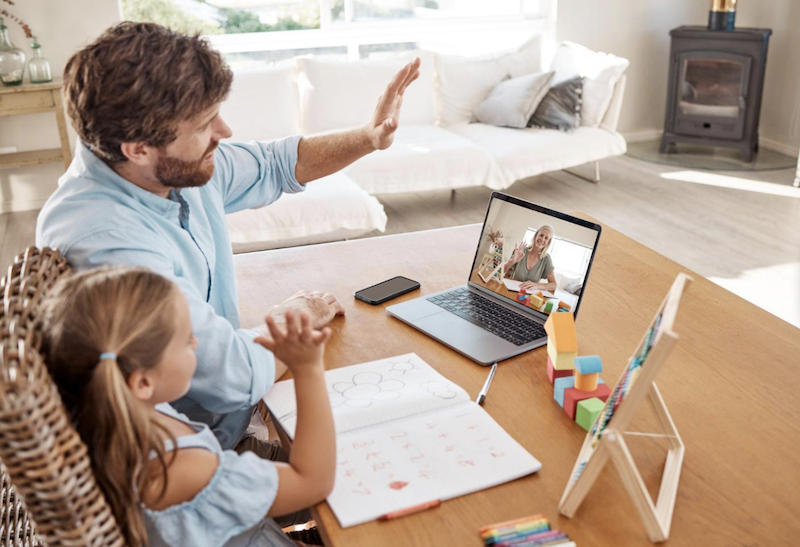
A video call with grandparents is different from endless scrolling. A movement-based game is different from passive watching. A creative app used to draw, edit photos, or learn music is different from background noise that runs for hours.
Parents can help children develop healthier digital habits by talking about what screens are being used for, not only how long they are being used.
Setting boundaries around meals, bedtime, homework, and outdoor time helps technology remain useful without dominating family life.
Parents Need Downtime Too
Parents often focus so much on managing children’s routines that they forget their own need for rest.
After a long day of work, school runs, cooking, cleaning, and emotional labour, adults need ways to switch off. Some read, exercise, watch a series, listen to podcasts, garden, bake, or catch up with friends online.
Others occasionally explore adult digital entertainment. For example, some may choose to join MrQ casino as one form of regulated online leisure intended strictly for adults. In that context, the important point is not the activity itself, but the boundaries around it: it should remain occasional, responsible, age-restricted, and comfortably within personal limits.
Downtime should restore energy, not create stress.
Children Learn Balance by Watching Adults
Children notice adult behaviour.
They see when parents put phones away during dinner. They notice when adults go for a walk instead of staying on the sofa all evening. They also notice when parents have hobbies, interests, and boundaries of their own.
This modelling matters.
A child who grows up seeing balanced routines is more likely to understand that screens, entertainment, work, movement, and rest all have their place.
Parents do not need to be perfect. Consistency is more powerful than perfection.
Outdoor Time Supports the Whole Family
Spending time outside is one of the easiest ways to reset the mood of a household.
Even a short walk can help children burn energy and give adults a mental break. Outdoor spaces also reduce the need to constantly invent activities. Nature provides plenty of stimulation on its own, from leaves and insects to puddles, sticks, paths, and changing weather.
According to Sport England, building activity into everyday life can help people feel healthier, happier, and more connected to their communities. This makes regular movement valuable not only for fitness, but also for broader family wellbeing.
The best part is that many outdoor activities are free.
Making Rest Part of the Routine
Rest is sometimes confused with laziness, especially for busy parents.
In reality, rest is part of staying well.
Children need downtime after school. Adults need quiet moments after demanding days. Families need slower periods where nobody is rushing to the next commitment.
This might mean reading together before bed, having a calm Sunday morning, limiting weekend plans, or creating an evening routine that helps everyone wind down.
A balanced family lifestyle includes both activity and recovery.
Affordable Family Fun Still Works Best
Healthy routines do not need to cost much.
Parks, libraries, community events, local walking trails, homemade obstacle courses, kitchen dance parties, garden games, and simple crafts can all create memorable family time without straining the budget.
Children often remember the feeling of togetherness more than the details of the activity.
The most valuable family moments are usually built around attention, laughter, and consistency rather than money.
Creating Digital Boundaries Without Conflict
Rules around technology work best when they are clear and realistic.
Instead of suddenly banning screens, families can create predictable limits. Devices might stay out of bedrooms at night. Streaming might begin only after homework and outdoor play. Parents might set screen-free family meals or weekend mornings.
When children understand the reasons behind boundaries, they are more likely to accept them.
It also helps when adults follow similar principles. Family rules feel fairer when everyone participates.
A Balanced Home Is Built Gradually
No family gets everything right every day.
Some weeks are busy. Some evenings involve too much screen time. Some weekends are less active than planned. That is normal.
What matters is the overall pattern.
A healthy family rhythm includes movement, rest, connection, personal interests, and sensible digital habits. It gives children space to play and adults space to recharge.
Balance does not mean every day looks the same. It means the household has enough healthy routines to return to when life gets messy.
In the end, families thrive when activity and rest work together. Children need opportunities to move, explore, and connect. Parents need moments to breathe, recover, and enjoy their own downtime. Technology can have a place in that picture, but it should support family life rather than take it over.
That is where real balance begins.
Disclosure – this is a collaborative post.

