
Disclosure – this is a collaborative post.
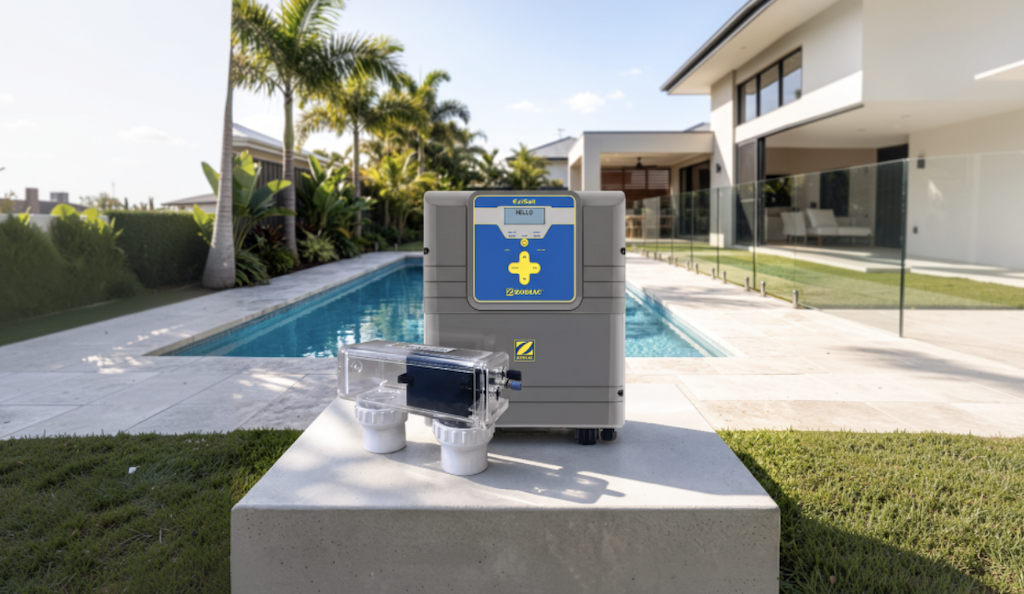
Keeping a swimming pool clean and safe requires a reliable sanitising system that works consistently throughout the swimming season. While traditional chlorine treatments remain common, many pool owners now prefer a salt water pool chlorinator because it provides continuous water sanitisation with less manual effort. Understanding how a saltwater chlorinator works and the advantages it offers can help determine whether it is the right investment for a pool.
Understanding How a Saltwater Chlorinator Works
A saltwater chlorinator uses electrolysis to convert dissolved salt into chlorine that sanitises the pool water. As water passes through the chlorinator cell, a small electrical current converts the salt into chlorine, which destroys bacteria, algae, and other contaminants.
This continuous process helps maintain consistent water quality without requiring regular manual chlorine additions. As a result, pool owners spend less time managing water treatment while still enjoying clean and hygienic swimming conditions.
Benefits of Choosing a Saltwater Chlorinator
Provides Consistent Water Sanitisation
One of the biggest advantages of a saltwater chlorinator is its ability to produce chlorine continuously. Rather than experiencing fluctuations caused by manually adding chemicals, the system generates chlorine as required, helping maintain more stable water quality and reducing the likelihood of algae growth.
Creates a More Comfortable Swimming Experience
Many swimmers find saltwater pools gentler on the skin and eyes than traditionally chlorinated pools. Because chlorine is produced gradually and maintained at consistent levels, the water often feels softer and is less likely to produce strong chlorine odours.
Reduces Manual Pool Maintenance
A saltwater chlorinator automates a significant part of pool sanitisation, reducing the need to frequently handle chlorine products. Although routine water testing remains important, maintaining water quality generally becomes simpler and more convenient.
Offers Long-Term Cost Efficiency
Installing a saltwater chlorinator requires an initial investment, but many pool owners find that ongoing chemical expenses decrease over time. Since the system continually regenerates chlorine from salt, fewer chemical purchases may be required throughout the year.
Supports Convenient Pool Care
Modern chlorinators often include programmable settings that automatically regulate chlorine production based on pool usage and seasonal conditions. This allows the system to operate efficiently while reducing the need for constant adjustments.
What to Consider Before Installing a Saltwater Chlorinator
Choosing the Right System for Pool Size
Selecting a chlorinator with the correct capacity is essential for effective sanitisation. A system that is too small may struggle to maintain chlorine levels during periods of heavy pool use, while an oversized unit may operate less efficiently. Choosing equipment designed for the pool’s volume helps ensure reliable performance.
Cell Quality and Expected Lifespan
The chlorinator cell is the most important component of the system, making its quality an important consideration. Durable cells generally provide better long-term performance and require fewer replacements. Regular inspection and proper maintenance can further extend the lifespan of the cell.
Ongoing Maintenance and Cleaning Requirements
Although saltwater chlorinators reduce manual chlorine handling, they still require periodic maintenance. Mineral deposits can gradually build up on the chlorinator cell, affecting efficiency if left untreated. Understanding the recommended cleaning schedule helps keep the system operating at its best.
Energy Efficiency and Operating Costs
Different chlorinator models vary in their energy consumption and operating features. Choosing an energy-efficient system can help reduce electricity usage while maintaining consistent chlorine production. Comparing operating costs alongside purchase price provides a better understanding of long-term value.
How Professional Installation Makes a Difference
Even the highest quality chlorinator needs to be installed correctly to deliver reliable performance. A professional installation ensures the system is compatible with your existing filtration setup and configured to suit your pool’s needs. This helps reduce the risk of operating issues that may affect water quality, energy efficiency, or equipment lifespan.
If you are installing a new pool or upgrading your current system, choosing an experienced pool builder in Geelong can help ensure every component, including your chlorinator, is properly planned and integrated from the beginning.
Common Maintenance Tips for Long-Lasting Performance
Regular maintenance helps maximise the efficiency and lifespan of a saltwater chlorinator while supporting consistent water quality.
- Inspect and Clean the Chlorinator Cell Regularly: Cleaning the cell according to the manufacturer’s recommendations helps maintain efficient performance.
- Monitor Salt Levels and Water Balance: Maintaining the recommended salt concentration and balanced water chemistry allows the chlorinator to operate efficiently while protecting pool equipment.
- Check the System During Seasonal Changes: Temperature changes and varying pool usage can affect chlorine demand. Seasonal inspections help confirm the system continues operating effectively.
- Replace Worn Components When Required: Replacing ageing cells or damaged parts at the recommended intervals helps prevent unexpected performance issues.
Conclusion
A saltwater chlorinator offers an effective and convenient way to maintain clean, healthy pool water with less manual effort. By generating chlorine automatically, it provides consistent sanitisation, improves swimming comfort, and simplifies ongoing pool care. Choosing the right system, ensuring professional installation, and following regular maintenance practices will help maximise performance and extend the life of the equipment.
Frequently Asked Questions
How does a saltwater chlorinator produce chlorine?
A saltwater chlorinator uses electrolysis to convert dissolved salt into chlorine, which sanitises the pool water by eliminating bacteria and other contaminants.
Does a saltwater chlorinator reduce pool maintenance?
Yes. It automates chlorine production, reducing the need for frequent manual chemical additions while still requiring routine water testing and equipment checks.
How long does a saltwater chlorinator cell typically last?
The lifespan varies depending on usage and maintenance, but many quality chlorinator cells last several years when properly maintained.
What salt level is recommended for a saltwater pool?
The recommended salt level depends on the chlorinator model, but manufacturers typically specify the ideal range for efficient chlorine production.
Are saltwater chlorinators suitable for all pool types?
Saltwater chlorinators are suitable for most residential pools when the equipment is correctly selected and installed for the pool’s size and requirements.
Disclosure – this is a collaborative post.

