
Disclosure – this is a collaborative post.
If you’re comparing paving options for a driveway, courtyard or commercial forecourt, you’ve probably heard plenty about how exposed aggregate looks. What’s harder to find is the practical comparison: how it actually performs against concrete, clay brick and natural stone pavers once you factor in durability, cost per square metre, installation and the maintenance bill that follows for the next twenty years. This article sets the aesthetics aside and works through the numbers, because that’s usually the part that decides the job. If you want a second opinion once you’ve read it, the team at Atlas Paving quote and install all of these paver types across Perth and the South West, so it’s worth putting your specific project in front of them before you commit.
What Exposed Aggregate Pavers Actually Are
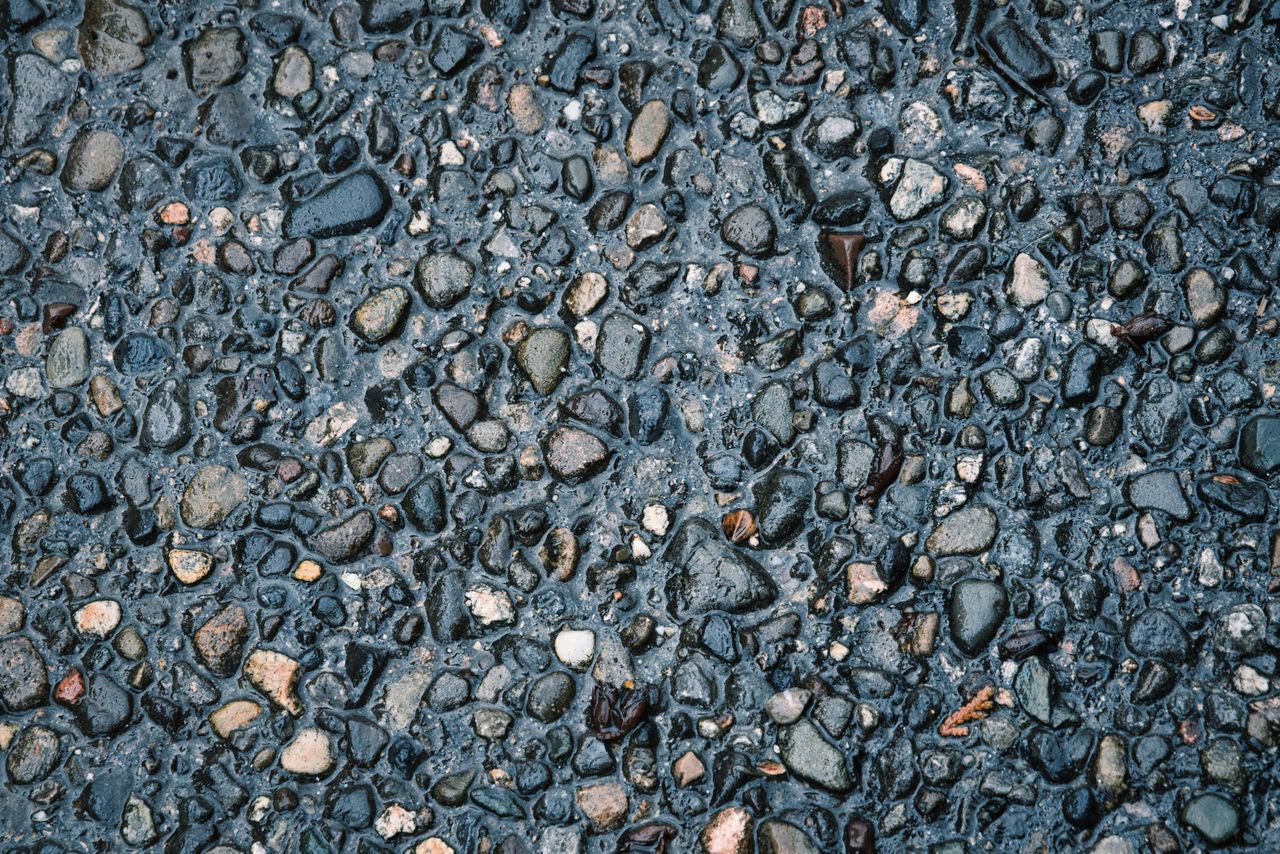
Exposed aggregate is a concrete paver where the top skin of cement paste has been washed, brushed or lightly ground back after casting, so the stones, pebbles or crushed rock mixed through the concrete are left showing on the surface. That’s the pitted, speckled texture people recognise. It matters for this comparison because the aggregate itself, not a paint or coating, is doing the structural work, which changes how the paver behaves under load, weather and cleaning compared with a smooth-faced concrete, clay or natural stone product.
Durability and Lifespan: How Exposed Aggregate Compares
On raw toughness, exposed aggregate holds its own. Against standard concrete pavers, the exposed stone gives noticeably better abrasion and slip resistance, which is why you see it so often on driveways and pool surrounds. Against clay brick pavers, it’s roughly a wash: clay is dense and won’t fade, but it can crack under heavy vehicle loads if the base isn’t spot on, while a well-reinforced exposed aggregate paver tends to shrug off that kind of pressure.
Natural stone is the wildcard. A hard stone like granite will outlast exposed aggregate by decades, but softer stone such as sandstone or travertine can pit and wear faster in a driveway setting. As a rough guide, expect 20 to 25 years from exposed aggregate laid on a proper base, similar to or slightly less than quality clay, and well short of granite’s 40 plus years. None of that holds if the base preparation is rushed, though. That’s the one variable that shortens every paver’s life regardless of material.
Cost Per Square Metre: Where the Premium Comes From
Exposed aggregate typically lands in the middle of the pack. As a rough guide for supply and lay in WA, standard concrete pavers run somewhere around $60 to $90 per square metre, exposed aggregate sits closer to $80 to $130, clay pavers land around $90 to $140, and natural stone can run from $120 to $200 or more depending on the type. Prices shift with supplier, pattern and how much base work your site needs, so treat these as a starting point for conversations rather than a quote.
What the numbers show, though, is that exposed aggregate buys you a meaningful jump in durability over plain concrete for a moderate premium, without pushing into natural stone territory. That’s exactly why it turns up so often on driveways where the budget has to meet the wear and tear.
Installation Complexity: What Changes on Site
Precast exposed aggregate pavers go down the same way as clay or plain concrete pavers: compacted base, bedding sand, pavers laid to falls, joints filled. So if you’re comparing paver to paver, the labour and skill required is comparable, and price differences come down to material cost rather than install difficulty.
Where it gets genuinely more complex is if you’re considering poured, in-situ exposed aggregate instead of pavers, which needs formwork, careful timing on the wash-off and cooperative weather, and is a different job entirely. For paver installations specifically, the details that separate a good result from a patchy one are falls for drainage, consistent joint width and solid edge restraints, and those matter just as much on clay or concrete as they do on exposed aggregate.
Long-Term Maintenance: Cleaning, Resealing and Efflorescence
This is where the real cost differences show up over time, and it’s the bit people forget to ask about. Efflorescence, that white, powdery salt deposit you sometimes see on new concrete surfaces, happens when moisture moves through the paver and leaves mineral salts behind as it evaporates. Exposed aggregate is prone to it in the same way as any cement-based product, particularly in the first six to twelve months, whereas clay pavers (fired, not cast) and natural stone (no cement paste) are far less likely to develop it.
The textured surface also traps dirt, moss and grime in the pits between the stones more readily than a smooth clay paver, so plan on an occasional pressure wash to keep it looking right. Most installers, including us, recommend resealing exposed aggregate every two to three years, both to protect against staining and to keep the stones looking freshly exposed rather than dulled over. Clay rarely needs sealing at all, and natural stone’s requirements vary a lot by porosity, so it’s worth asking specifically about your chosen stone.
Which Paver Type Actually Wins?
Honestly, there isn’t one answer, and anyone who tells you there is hasn’t weighed up your project properly. If you want the strongest durability-to-cost ratio for a driveway or a busy commercial area, exposed aggregate is hard to beat, and that’s why so much of it goes down across Perth. If low maintenance is your main priority and the budget is tighter, clay pavers might edge ahead since they skip most of the sealing and efflorescence hassle. If you’ve got the budget and want the longest possible lifespan, hard natural stone is worth the premium.
What exposed aggregate does particularly well is sit in the sensible middle: tougher than plain concrete, cheaper than stone, at the cost of a bit more upkeep than you’d get from clay.
If you’re still weighing up the options, get in touch with Atlas Paving. We’ll walk you through what each paver type will actually cost and how much work it’ll be to maintain, based on your specific site rather than a general guide like this one.
Disclosure – this is a collaborative post.

