Disclosure – this is a collaborative post.
First-time kayak and paddle board renters should understand basic safety rules, choose equipment that matches their experience, and check local water conditions before heading out.
Long Beach Island, New Jersey, offers opportunities to enjoy coastal scenery, bayside waterways, and outdoor recreation. Its calm-looking stretches of water can be appealing to visitors, but wind, currents, boat traffic, and changing weather can affect a paddling trip. Before arranging LBI kayak and paddle board rentals, it helps to know what to expect and how to prepare for a safe, enjoyable outing.
Choosing Between a Kayak and a Paddle Board
The right equipment depends on your comfort level and the kind of experience you want.
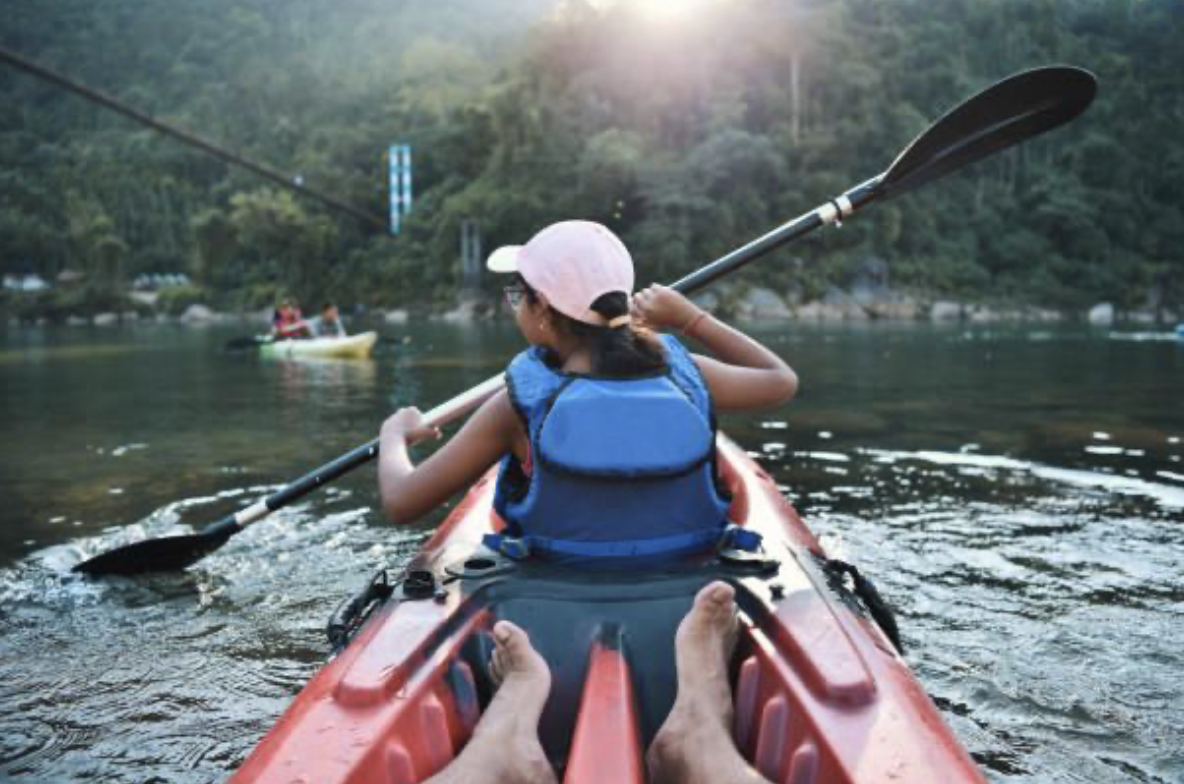
A kayak allows you to sit while paddling with a double-bladed paddle. This makes it a comfortable option for people who want to explore the water without needing to maintain their balance while standing. Kayaks can also be a practical choice for longer outings or for paddlers who prefer a more stable seated position.
A stand-up paddle board requires you to balance on a board while using a single-bladed paddle. Beginners can start by kneeling before trying to stand. Paddle boarding offers a different perspective of the water, but balance and weather conditions can make it more challenging.
If you are unsure which option suits you, ask the rental provider for a recommendation based on your experience and planned route.
Check What the Rental Includes
Rental packages can differ, so confirm what is provided before making a reservation. Depending on the provider, a rental may include the kayak or paddle board, a paddle, and a personal flotation device.
Ask about rental duration, launch locations, return procedures, and any age or supervision requirements. You should also find out whether reservations are recommended during busy summer weekends.
If you are renting for a group, check whether equipment is available in the required sizes and quantities. Making these arrangements in advance can help prevent delays and ensure everyone has suitable gear.
Understand Water and Weather Conditions
Weather plays an important role in paddling. Wind can make a paddleboard harder to control and create waves that challenge inexperienced kayakers. Conditions can also change during your rental period.
Before leaving shore, ask about recommended routes, local hazards, and areas to avoid. Stay away from restricted waterways and pay attention to motorboats and other watercraft. If conditions appear unsafe or deteriorate during your trip, return to shore rather than attempting to continue.
Beginners should generally choose a short route in a sheltered area approved by the rental provider. Avoid venturing into unfamiliar open water without the necessary skills and guidance.
Wear the Right Safety Equipment
Safety equipment is essential, even if you are a confident swimmer. Wear a properly fitted personal flotation device and follow the rental provider’s instructions for using the equipment.
Choose clothing suitable for the weather and water temperature. Sunglasses with a secure strap, sun protection, and drinking water can also make your trip more comfortable. A waterproof pouch may be useful for carrying a phone, but keep devices secured so they do not get lost in the water.
Before launching, learn how to hold the paddle, get on and off the equipment safely, and respond if you fall into the water. If you are new to paddling, ask for a brief demonstration.
Plan a Route That Matches Your Experience
A successful first outing does not need to cover a long distance. Choose a route that gives you enough time to become comfortable with the equipment while leaving room to return before your rental period ends.
Let someone know your plans if you are going out independently, and follow any route restrictions provided by the rental company. Keep track of landmarks so you can find your way back to the launch point.
Families should pay particular attention to supervision requirements and make sure children use properly fitted safety equipment. Everyone in the group should understand where to paddle and what to do if separated.
Make the Most of Your Rental Experience
Preparation can help you spend less time worrying about equipment and more time enjoying the water. LBI kayak rentals should depend on equipment quality, safety guidance, available routes, and customer support.
Arrive with enough time to complete any paperwork, listen to instructions, and adjust your equipment. Most importantly, respect the water and choose an outing that matches your abilities instead of feeling pressured to keep up with more experienced paddlers.
Key Takeaways
- Choose a kayak for seated paddling or a paddle board if you want to practice balancing while standing.
- Confirm which equipment and safety gear are included in the rental.
- Check wind, weather, currents, and local water conditions before launching.
- Wear a properly fitted personal flotation device and follow the provider’s safety instructions.
- Start with a short, suitable route and allow enough time to return.
- Ask the rental provider about recommended locations, reservations, and any age restrictions before your trip.
Disclosure – this is a collaborative post.

