
Disclosure – this is a collaborative post.
Choosing to spend your life with someone changes the way you look at everything, especially the moments that mark new beginnings. An engagement ring is one of those moments. It’s not just about selecting a design, but about finding something that captures your connection in a way that feels genuine and lasting.
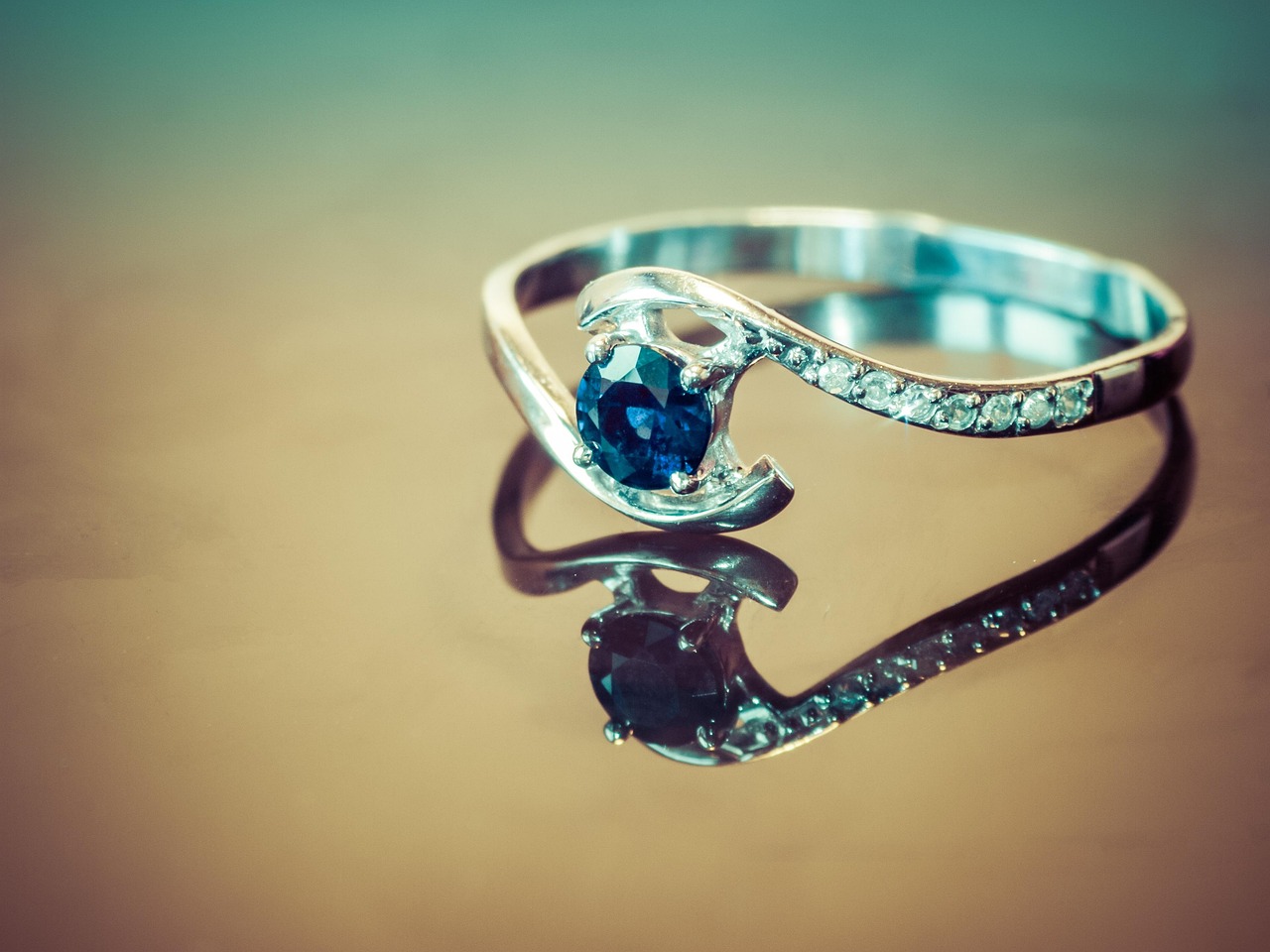
Sapphire engagement rings have become a popular choice for those who want something distinctive yet meaningful. Their color, character, and symbolism offer a different kind of appeal, one that goes beyond tradition. Still, many important aspects are often overlooked during the selection process, especially when the focus stays only on appearance.
Looking a little deeper into what makes a sapphire ring truly special can make a significant difference in the final choice. Let’s explore what truly matters when choosing one.
1. Not All Sapphires Are the Same
One of the most common misconceptions is that all sapphires are alike. In reality, they vary based on origin, treatment, and formation. Natural sapphires often differ from lab-created ones in rarity and value, while treated stones are enhanced to improve their appearance.
Understanding these differences helps buyers move beyond surface-level beauty and evaluate long-term value. A well-informed choice ensures the stone aligns with both expectations and budget, rather than relying purely on visual appeal. It also helps avoid confusion when comparing stones that may look similar but differ significantly in quality and pricing.
2. Color, Cut, and Clarity Work Together
Many buyers focus only on color, but a sapphire’s overall appearance depends on how color, cut, and clarity interact. While deep blue is the most recognized shade, sapphires come in a range of tones and saturations. A well-balanced stone should not appear too dark or washed out under different lighting conditions.
The cut plays an equally important role. Unlike diamonds, sapphires are cut to preserve color rather than maximize sparkle, which makes proportion and symmetry essential. At the same time, clarity is often misunderstood, as natural inclusions are common and can even add character. Evaluating these factors together ensures the stone maintains both visual appeal and structural integrity over time.
3. Certification and Craftsmanship Go Hand in Hand
Certification provides assurance of a sapphire’s authenticity and quality. Reliable reports include details about origin, treatments, and grading, helping buyers make informed decisions and avoid misrepresented stones.
In addition to the stone itself, craftsmanship plays a critical role. The setting, metal choice, and finishing all contribute to how the ring looks and wears over time. Many buyers choose to Shop for sapphire engagement rings at Bluboho, which has collections available that reflect this balance. They have the designs that focus on ethically sourced materials, thoughtful craftsmanship, and distinctive settings that highlight each gemstone’s natural beauty.
These designs often use unique settings, such as signature evergreen bands or intricate clusters. They are specifically engineered to protect the gemstone while highlighting its natural light return.
4. Metal and Setting Shape the Final Look
The choice of metal can subtly transform how a sapphire appears. Yellow gold enhances warmer tones, while white gold or platinum creates contrast and highlights deeper hues.
Settings also play a functional and aesthetic role. A secure setting protects the gemstone from everyday wear, while the design influences how prominent or understated the stone appears. Considering lifestyle alongside design ensures the ring remains both practical and visually balanced over time.
5. Durability and Everyday Practicality
Sapphires are among the hardest gemstones, ranking 9 on the Mohs scale. This makes them suitable for daily wear, but durability still depends on proper care and setting quality.
Regular cleaning, safe storage, and mindful wear help maintain the ring’s appearance over time. A well-crafted setting further reduces the risk of damage, making the ring both practical and long-lasting. Taking small precautions early can prevent unnecessary wear and preserve the ring’s original finish.
6. Value, Sourcing, and Long-Term Meaning
Price is influenced by multiple factors, including color, clarity, size, and origin. However, value should not be measured by size alone, as a smaller, high-quality sapphire often appears more refined than a larger stone with lower quality.
Ethical sourcing also plays a growing role in decision-making. Responsibly sourced gemstones and recycled metals add depth and meaning to the purchase. When combined with thoughtful design, this creates a piece that reflects both personal values and long-term significance, making the ring more meaningful than its appearance suggests.
Conclusion
Choosing a sapphire engagement ring involves more than selecting a beautiful design. Paying attention to quality, craftsmanship, and sourcing ensures the ring holds both visual appeal and long-term value. Thoughtful decisions help create a piece that reflects personal style and meaning. With the right balance of detail and intention, a sapphire ring becomes more than jewelry, serving as a lasting symbol of connection and commitment.
Disclosure – this is a collaborative post.

