Disclosure – this is a collaborative post.
Band directors face this question every year when a new student shows up with no instrument preference and a director needs to fill out the low brass section. The tuba rarely gets requested by name, which means most tuba players end up there because a director steered them that way.
Here’s the honest answer: tuba is a good fit for many beginner band students, but not all, and it usually comes down to factors like breath capacity and genuine interest rather than whatever instrument happens to be available.
Whether you’re a parent weighing this suggestion or a student wondering if you got a fair deal, here’s a closer look at when tuba makes sense and what to consider before committing.
1. Demand for Tuba Players Consistently Outpaces Supply
Most school music bands need at least one or two tuba players to round out the low brass section, but very few students request the instrument voluntarily. That mismatch creates a real opportunity. A student who commits to tuba is almost guaranteed a spot in the ensemble, often without the competition that comes with more popular instruments like trumpet or flute, where dozens of students are vying for a limited number of chair positions.
This is a big deal. A beginner who gets consistent ensemble experience early tends to build confidence and musical skill faster than one sitting on a bench waiting for an opening. For a new student trying to find their footing in a band program, that early access to real playing experience is a genuine advantage tuba offers that other instruments often can’t.
2. The Physical Size Is Less of an Obstacle Than It Looks
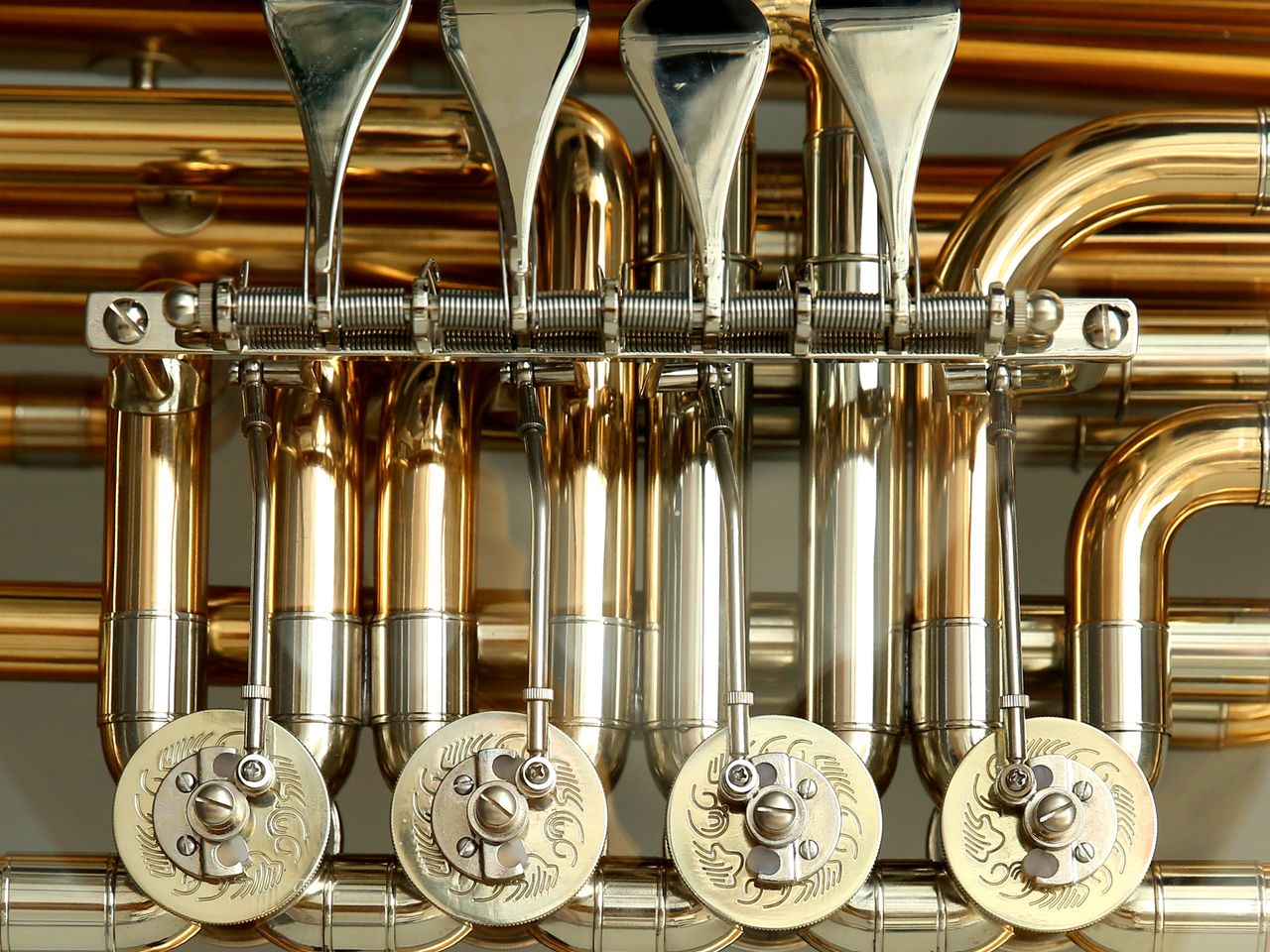
Parents often worry that a tuba is simply too big for a young student to manage, and that concern is reasonable on the surface. But beginner instruments are sized specifically for new players. Smaller tubas, including Eb and F models, are built with younger or smaller-bodied students in mind, and most band programs match the instrument size to the student rather than handing out full-size professional models.
That is why when searching for beginner-friendly tubas, buyers tend to discover that sizing options are highly varied, with smaller-bore models designed specifically to make the instrument manageable for students who haven’t fully grown into their frame yet. Retailers like O’Malley Musical Instruments stock a range of these beginner-appropriate sizes, which gives band directors and parents more flexibility than the stereotype of one giant tuba for every student suggests.
3. Tuba Builds Skills That Transfer Well Across Music
Because the tuba plays the bass line in most ensemble music, students learn to read and internalize harmonic structure in a way that melody-focused instruments don’t require. They’re hearing how chords function from the bottom up, which builds a stronger intuitive grasp of music theory earlier than many of their peers develop it.
That foundation tends to pay off later, whether a student continues with tuba specifically or moves toward composition, arranging, or another instrument down the road. Understanding how the bass line supports everything else in a piece of music is a skill that’s genuinely harder to develop on instruments that spend most of their time playing melody.
4. The Learning Curve Is Manageable for a True Beginner
Tuba has a reputation for being difficult, but most of that difficulty applies to advanced repertoire rather than the basics a beginner needs to start playing in a band setting. Producing a clear, usable tone happens relatively quickly because of how the instrument is built, and reading bass clef, while different from treble clef, isn’t inherently more complex for a student who’s learning music notation from scratch anyway.
What does require real commitment is breath control, since the tuba demands more air than most other instruments to sound full and resonant. Students who practice consistently build that capacity within the first few months, and the physical adjustment period is shorter than most beginners expect going in.
Conclusion
Tuba is a genuinely solid choice for a beginner band student who has the interest and breath capacity to master it, not a consolation prize for kids who didn’t get their first pick. It offers real ensemble opportunities early, comes in sizes appropriate for younger players, builds music theory understanding that transfers well, and has a learning curve that’s manageable for someone starting from zero.
If a director steers your student toward tuba, that’s worth taking seriously rather than pushing back on, since the instrument has more going for it than its reputation suggests.
Disclosure – this is a collaborative post.

