
Disclosure – this is a collaborative post.
Building a home theater is exciting right up until the moment you have to choose the screen. TV or projector? Big or even bigger? It is the one decision that quietly shapes every movie night for years to come, so it pays to slow down before you spend.
The good news is that you do not need to be a tech expert to get this right. You just need honest answers to a handful of questions about your room, your habits, and your budget. Here are the six worth working through before you buy anything at all.
1. How Big and Dark Is Your Room?
Your room decides more than your wallet ever will. Projectors love large, controllable spaces where you can dim the lights right down, while TVs hold their own in bright rooms full of windows and lamps. Measure your wall, notice where the daylight comes from at different hours, and be honest with yourself. A stunning projector parked in a sun-filled living room will always look faded and washed out, no matter how much you spent on it.
Light control is the single biggest factor most first-time buyers underestimate. If you cannot fully darken the space, a bright TV or a laser projector with high brightness will serve you far better than a budget bulb model. Heavy curtains or blackout blinds can rescue a tricky room, so factor those into your thinking from the very start.
2. How Far Away Will You Sit?
Seating distance changes everything about how a screen feels. Sit too close to a huge picture and you will be swinging your head back and forth like you are watching a tennis match. Sit too far from a modest TV and all that lovely detail simply disappears. A rough rule helps here: the bigger the screen, the more breathing room you want between the couch and the wall. Tape out the screen size on the wall first and live with it for a day before you commit to anything.
A common guideline is to fill roughly a third of your field of view, which feels immersive without being overwhelming. Getting this balance right is what separates a setup that feels like a cinema from one that just feels like a very large television in the corner.
3. How Often Will You Actually Use It?
Be honest about how much screen time your household truly logs each week, because it is almost always more than people guess. Deloitte’s Digital Media Trends research found that U.S. consumers spend an average of six hours a day on media and entertainment activities.
If your new setup is going to run daily for films, sport, and gaming, it is worth investing in something comfortable and durable rather than grabbing the cheapest option on the shelf and regretting it later. A screen that gets light use can lean toward budget, but one that anchors your evenings deserves a little more thought and a slightly bigger slice of the budget.
4. What Is Your Real, All-In Budget?
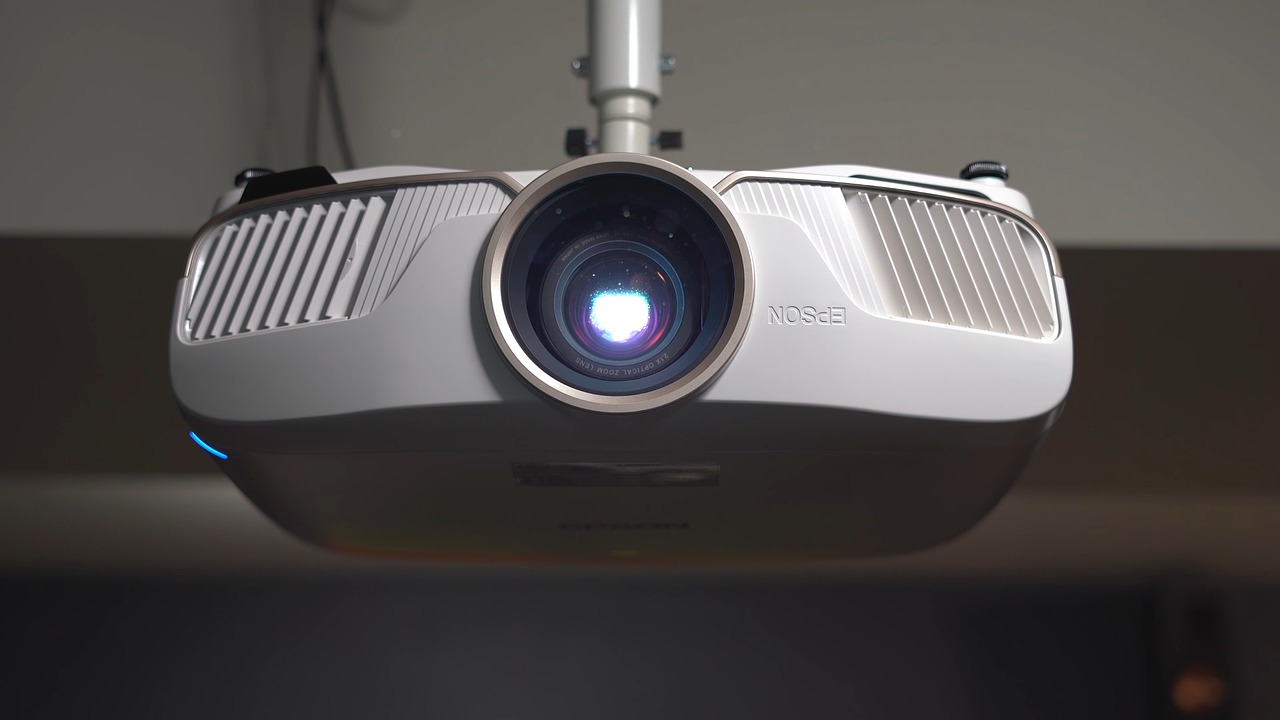
The screen itself is only one part of the final bill. Speakers, mounting hardware, cables, lighting, and seating all add up quickly, and a half-finished room pleases nobody. Mapping out the full cost before you settle on a TV or projector for home theater keeps you from blowing the whole budget on the display and then skimping on the sound that brings it to life.
Professional advice from Home Media Designs can help you split that budget sensibly across the entire room rather than one shiny piece of kit. A useful habit is to set aside roughly a quarter of your total spend for audio alone, since great sound is what most people actually remember after the credits roll.
5. Picture Quality vs. Sheer Size
Both screen types come with trade-offs that are worth weighing side by side before you decide:
- TVs deliver brighter images, deeper contrast, and far better daytime viewing
- Projectors deliver a massive, true cinema-style picture for less money per inch
- TVs need almost no setup, while projectors reward a little patient tinkering
Ask yourself which one really matters more in your home: punchy, reliable, everyday brightness, or that jaw-dropping wow-factor scale you only get from a wall-sized image.
6. Setup, Space, and Upkeep
Think past the purchase to the years of ownership that follow. Projectors need occasional bulb or laser maintenance and a clear, unobstructed throw distance to the screen. A TV, by contrast, just needs a sturdy wall or a solid stand and almost no ongoing fuss. If you rent, move house often, or simply hate fiddling with gear, a TV keeps life refreshingly simple. If you have a dedicated room and enjoy a hands-on project, a projector rewards that effort beautifully over time.
It is also worth thinking about cable runs, where the seating sits, and how easy the screen is to reach when something inevitably needs adjusting. A setup that is a pain to maintain is a setup you will slowly stop using, so keep day-to-day convenience near the top of your list.
The Conclusion
There is no single right answer here, only the right answer for your particular space and your viewing routine. Walk calmly through these six questions before you spend a single cent, and the choice between a TV and a projector usually starts to make itself.
Get the screen right at the start, and every film, game, and big match afterwards feels a little less like watching and a lot more like an event worth gathering everyone around for.

