Disclosure – this is a collaborative post.
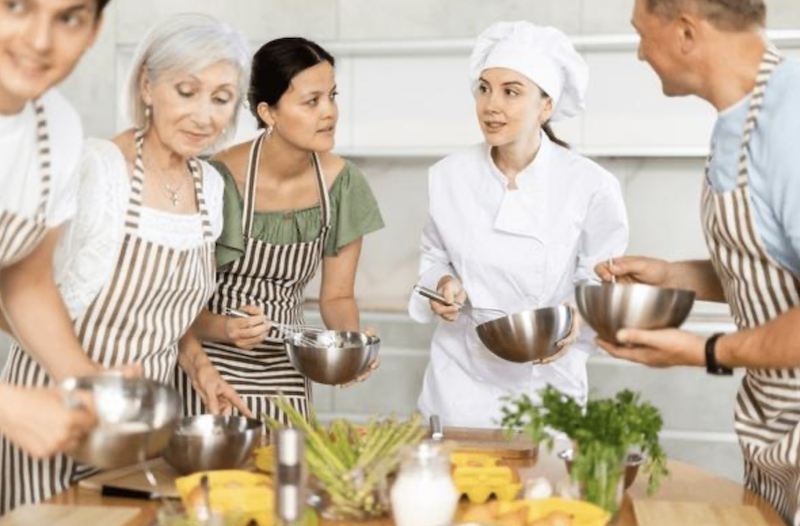
Cooking classes in New Orleans teach visitors how to make Creole and Cajun dishes using local ingredients and techniques passed down through generations. This guide answers the most common questions travelers ask before booking one.
New Orleans sits along the Mississippi River in southern Louisiana, known for its French Quarter, jazz music, and distinct culinary traditions. The city blends French, Spanish, African, and Caribbean influences into dishes like gumbo, jambalaya, and beignets. Its warm, humid climate and year-round tourism make cooking classes available in almost every season.
This New Orleans cooking class FAQ covers scheduling, pricing, dietary needs, and what to expect during a typical session, based on questions travelers commonly ask before signing up.
Here are some frequently asked questions about cooking classes:
What Dishes Do Classes Typically Teach?
Most classes focus on dishes that represent the city’s food identity rather than generic recipes. Instructors usually pick a small menu that can be completed within a two- to three-hour session.
- Gumbo, using either a roux-based or okra-based recipe
- Jambalaya, prepared with chicken, sausage, or seafood
- Beignets, often taught as a dessert or breakfast item
- Red beans and rice, a traditional Monday dish in local households
How Long Do Cooking Classes Usually Run?
Most classes run two to three hours, which includes preparation, cooking, and a tasting portion at the end. Shorter sessions closer to 90 minutes are available at some schools, though they usually cover fewer dishes. Class length often depends on how many recipes are included in the menu that day.
Are Cooking Classes Suitable for Dietary Restrictions?
Many schools can accommodate common dietary needs if notified in advance. Vegetarian and gluten-free adjustments are the most frequently requested changes to traditional recipes. Seafood allergies require closer attention, since dishes like gumbo and jambalaya often include shellfish as a base ingredient.
How Much Do Cooking Classes Typically Cost?
Pricing varies based on class length, group size, and whether ingredients are included. Shorter sessions with fewer dishes tend to cost less than full-menu classes that include a complete meal. Private or small-group sessions are usually priced higher than large group classes due to added instructor attention.
What Should Visitors Check Before Booking?
A few practical details can help avoid confusion on the day of the class. Travelers who search for a New Orleans cooking class FAQ before their trip often find these same questions covered by individual schools.
- Confirm whether the class price includes ingredients and a full meal.
- Ask about group size, since smaller classes often allow more instructor interaction.
- Check the cancellation policy, especially during peak tourist season.
- Review the dress code, since some kitchens require closed-toe shoes.
Key Takeaways
- New Orleans cooking classes focus on Creole and Cajun dishes like gumbo and jambalaya.
- Most classes run two to three hours, including a tasting portion.
- Many schools can adjust for common dietary restrictions with advance notice.
- Pricing depends on class length, group size, and included ingredients.
- Group size affects how much individual attention students receive.
- Checking cancellation policies helps avoid issues during busy travel seasons.
- Dress requirements, like closed-toe shoes, are common in hands-on kitchens.
Disclosure – this is a collaborative

