
Disclosure – this is a collaborative post.
Divers can explore and protect the Florida Keys reef system by practicing careful buoyancy control, avoiding contact with coral, following local diving rules, and taking part in reef-friendly conservation efforts.
The Florida Keys are home to one of the most well-known coral reef ecosystems in the continental United States, attracting divers from around the world. The islands stretch southwest from mainland Florida and offer access to colorful reefs, shipwrecks, marine life, and clear tropical waters.
Because these reefs face pressure from warming waters, pollution, disease, and human activity, responsible diving matters. Learning about Florida Keys reef conservation can help divers enjoy the underwater environment while also reducing the impact they have on it.
Dive Without Touching the Reef
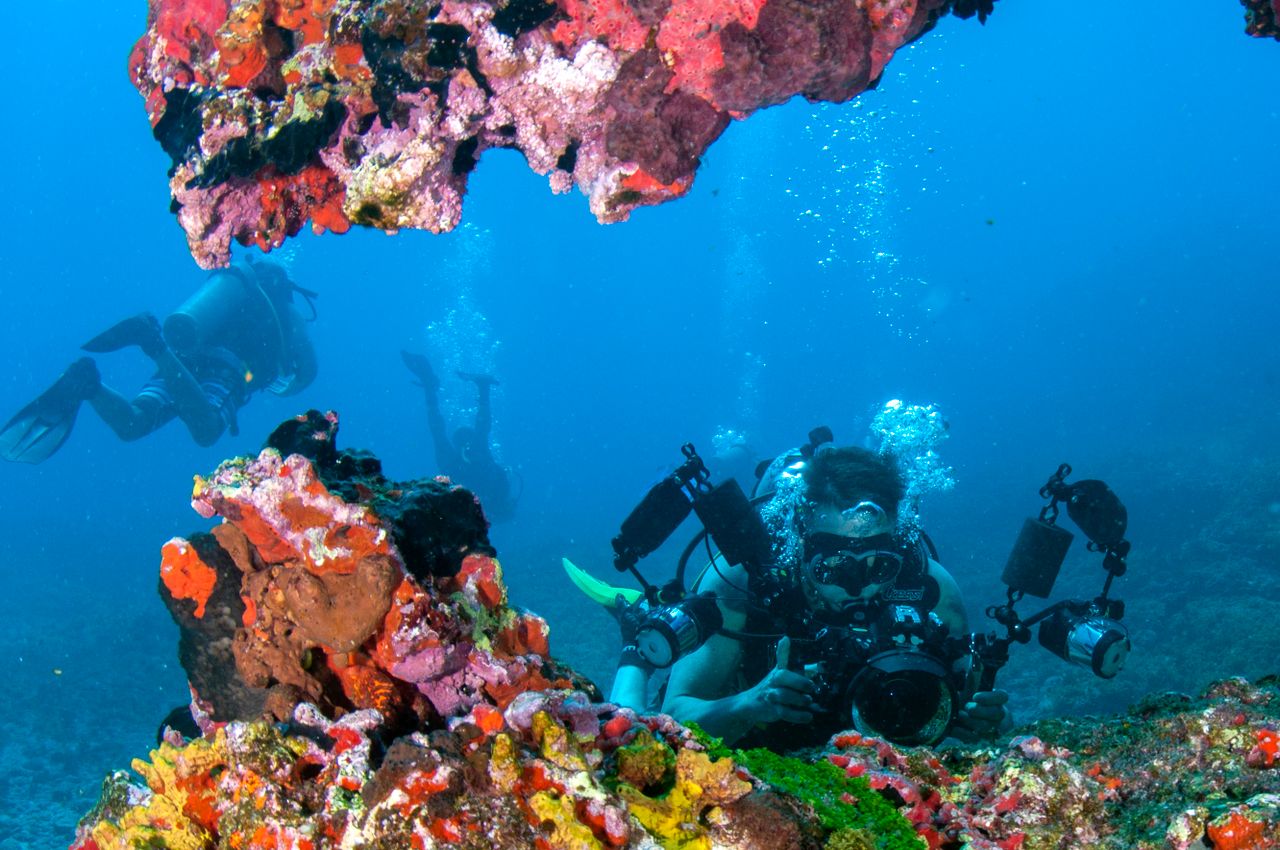
One of the simplest ways to protect coral is to avoid physical contact. Coral may look like rock, but it is made up of living organisms that can be damaged by a single careless kick or hand placement.
Good buoyancy control makes a major difference. Divers who maintain a comfortable position in the water are less likely to accidentally strike the reef with their fins, tanks, or other equipment.
Before entering the water, check that your gear is properly secured. Loose gauges, hoses, and accessories can drag across coral without the diver realizing it.
Keep Your Fins Under Control
Fin movement can stir up sediment and damage fragile organisms. Instead of making large, forceful kicks, divers can use controlled movements that keep their fins away from the bottom.
This is especially important around shallow reefs and narrow areas where there is little room to maneuver. Taking a few extra seconds to adjust your position can prevent accidental contact with the reef.
New divers can practice buoyancy and fin techniques in a controlled environment before visiting sensitive reef sites.
Observe Marine Life From a Distance
The Florida Keys reef system supports many species, from colorful reef fish to sea turtles and other marine animals. Seeing these creatures in their natural environment is one of the highlights of diving in the Keys.
Divers should resist the temptation to chase, touch, feed, or handle marine life. Animals may change their behavior when approached too closely, and feeding can interfere with natural habits.
A camera can help you remember the experience without requiring physical interaction. Photographing marine life from a respectful distance is safer for both the animal and the diver.
Follow Local Rules and Dive Site Guidelines
Different reef areas may have specific rules designed to protect sensitive habitats. Divers should listen carefully to their dive operators and follow posted regulations before entering the water.
Some areas may restrict activities such as collecting coral, shells, or other marine organisms. Following these rules helps preserve the reef for future visitors and protects species that depend on the ecosystem.
Choosing an experienced local dive operator can also make it easier to understand site-specific expectations.
Reduce Pollution and Waste
Protecting the reef does not stop when a diver leaves the water. Everyday choices can affect coastal ecosystems and the quality of the water surrounding the Keys.
Divers can help by avoiding single-use plastics, disposing of waste properly, and keeping trash away from beaches and waterways. Sunscreen choices may also matter, particularly when swimming or snorkeling near sensitive marine environments.
Even small actions become meaningful when practiced by large numbers of visitors.
Support Reef Restoration Efforts
Divers who want to do more than follow basic reef-friendly practices can look for opportunities to support restoration and education programs.
Some organizations work on coral nurseries, reef monitoring, habitat restoration, and public education. Participating in approved programs can give divers a better understanding of the challenges facing coral ecosystems.
Divers can also support responsible businesses that prioritize environmental education and sustainable practices.
Learn Before You Dive
Understanding the reef makes the experience more rewarding. Before a trip, divers can learn about local coral species, marine animals, conservation challenges, and responsible diving techniques.
A knowledgeable dive guide can explain what makes a particular site special and point out marine life without encouraging harmful interaction. This kind of education helps divers become more thoughtful visitors rather than simply spectators.
Key Takeaways
- Maintain good buoyancy to avoid accidentally touching coral.
- Use controlled fin movements around sensitive reef areas.
- Observe marine animals without touching, feeding, or chasing them.
- Follow local regulations and dive site guidelines.
- Reduce plastic and other waste that can reach the ocean.
- Consider supporting reputable reef restoration and education programs.
- Learn about the ecosystem before diving so you can make responsible choices underwater.
- Protecting the Florida Keys reef system allows divers to continue enjoying its marine life while helping preserve it for future generations.
Disclosure – this is a collaborative post.

