
Disclosure – this is a collaborative post.
Palo Alto is one of the most desirable residential communities in the San Francisco Bay Area, home to more than 67,000 residents and over 28,000 households. It attracts professionals, families, and students because of its thriving economy, excellent neighborhoods, and proximity to Silicon Valley.
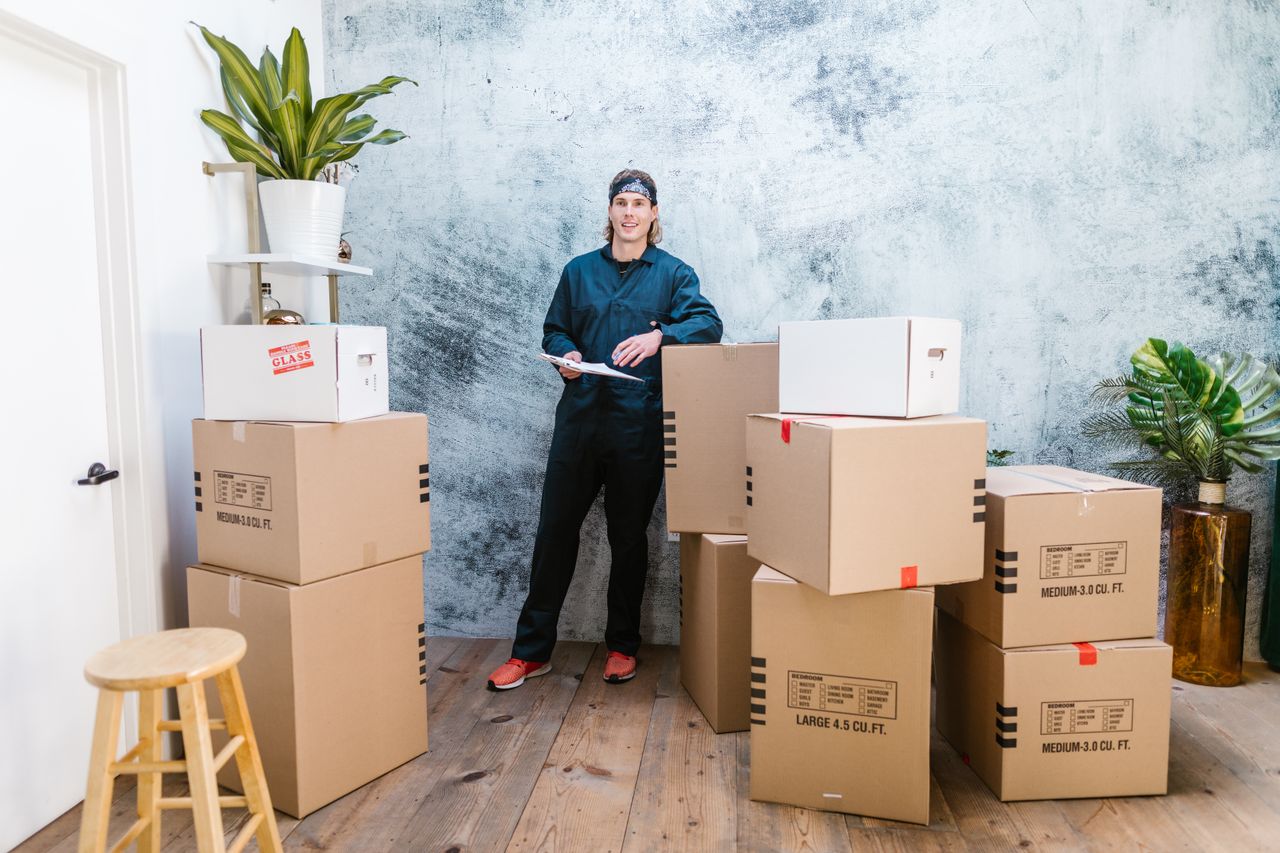
With residents frequently relocating for new opportunities, growing families, and lifestyle changes, experienced Palo Alto movers often recommend preparing your home well in advance by decluttering unnecessary items, packing non-essential belongings early, labeling boxes by room and contents, protecting fragile items, and setting aside valuables for personal transport.
Homes that follow these steps are typically quicker to load, easier to navigate, less likely to experience delays or damage, and far more efficient to unpack at the destination.
No matter the size or distance of your move, getting organized before moving day can make the entire process smoother for both you and the moving crew.
The following tips will help you prepare your home, stay organized, and avoid common moving-day challenges.
Start With a Room-by-Room Declutter
Decluttering before packing is one of the smartest things you can do. Moving unwanted items wastes time, space, and money.
Go through each room and sort items into three groups:
- Keep
- Donate or sell
- Throw away
Do not skip closets, cabinets, or storage areas. These spots tend to hold the most forgotten clutter.
Pack Non-Essential Items First
Start packing things you do not use every day at least two weeks before your move date. Seasonal items, books, decorations, and spare linens are good candidates.
Leave out only what you genuinely need to function day to day. A good rule of thumb is that if you have not touched it in the past month, it can be packed now.
Short-term vs long-term thinking:
- Short-term: Packing early feels like extra work upfront
- Long-term: You avoid a frantic last-minute rush that leads to poor packing and damaged items
Starting early gives you time to do the job properly instead of just quickly.
Label Every Box Clearly
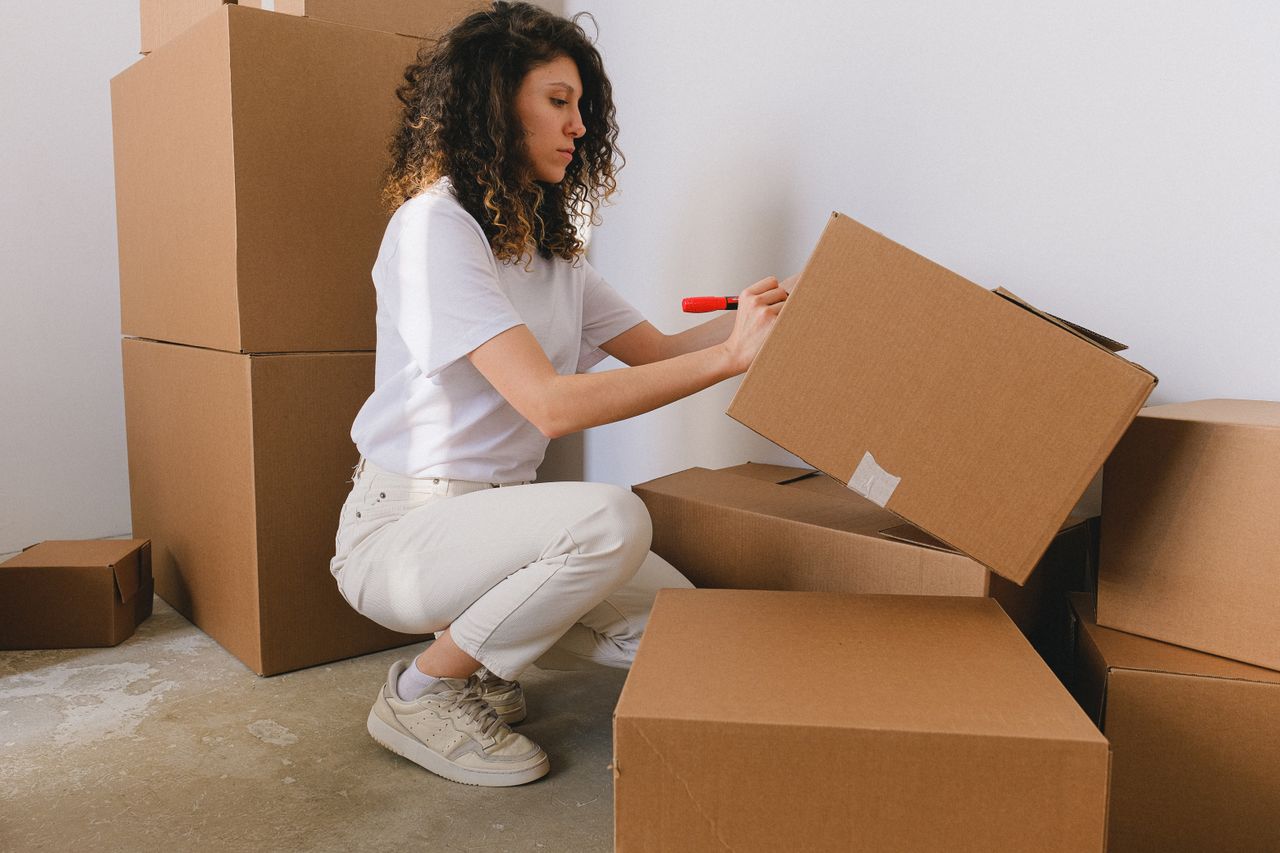
Labeling is one of the simplest steps and one of the most skipped. Every box should show the destination room and a brief description of its contents.
Use a marker that is easy to read from a distance. Writing on multiple sides of the box makes it easier for movers to stack and sort without flipping each box over.
What to Include on Each Label
- Room name, such as kitchen, master bedroom, or bathroom
- A short content note, like dishes, winter clothes, or books
- A fragile warning if the box contains breakable items
Color-coded stickers by room can also speed things up significantly on moving day.
Protect Furniture and Fragile Items
Palo Alto movers are professionals, but preparation on your end still matters. Disassemble large furniture pieces like bed frames and bookshelves before moving day if possible.
Wrap fragile items in bubble wrap or packing paper and place them in sturdy boxes. Avoid overpacking boxes with heavy items, as this increases the risk of damage during transit.
Steps to Take Before Movers Arrive
- Confirm the move date and arrival window with your moving company
- Clear pathways through hallways, doorways, and staircases
- Set aside personal items, medications, and valuables to transport yourself
- Place all boxes in one central area, such as the living room or garage
- Disconnect and prepare large appliances in advance
- Keep children and pets in a separate room or off-site during the move
A clear, open space allows movers to work without interruption and reduces the risk of accidents.
Minor Prep vs Full Organization
There is a real difference between doing the bare minimum and being fully ready.
- Minor prep: Loosely packing a few boxes the night before and leaving furniture in place gives movers a disorganized environment to work through.
- Full organization: Sorted boxes, clear labels, disassembled furniture, and open pathways allow the crew to load efficiently from the first minute.
Full preparation almost always results in a shorter job and lower final cost.
Key Takeaways
- Decluttering before packing saves time, money, and moving truck space.
- Start packing non-essential items at least two weeks before moving day.
- Label every box with the room name, contents, and fragile warnings.
- Disassemble large furniture pieces before movers arrive, when possible.
- Clear all pathways so the crew can move freely and safely through your home.
- Separate valuables and personal documents to transport yourself.
- Full preparation consistently leads to a faster and more affordable move.
Disclosure – this is a collaborative post.

