
Disclosure – this is a collaborative post.
Most people expect the products they buy to be safe when used as directed. But a faulty product can fail in ways that cause serious injuries, whether it is a car part, medical device, power tool, appliance, children’s toy, or medication.
The U.S. Consumer Product Safety Commission estimated that consumer products were associated with about 15.1 million injuries treated in emergency departments in 2024. This figure does not mean every injury was caused by a defective product, but it shows how often consumer products are involved in injuries.
If you are injured by a defective product in Frisco, you may have grounds for a product liability claim. But what you do after the accident can strengthen or weaken it. Here’s what to do.
1. Get Medical Care and Keep the Records
Your health should come first after a product-related accident. If you are injured, seek appropriate medical attention even if the injury does not seem severe at first.
A medical record can also become important when pursuing a product liability claim. It can show when you were treated, what injuries were identified, what treatment you received, and how the injury affected you.
Keep copies of medical bills, prescriptions, test results, discharge instructions, and other records related to the accident. If you miss work because of the injury, keep records of those missed days and any related loss of income.
These documents can help establish the connection between the accident and your injuries while also showing the financial impact of what happened.
2. Preserve the Product and Everything That Came With It
Do not throw away the product that caused your injury. It may become one of the most important pieces of evidence in your claim. Keep the product in the condition it was in when the accident happened, if it is safe to do so. Avoid repairing, modifying, cleaning, or altering it unless necessary for safety. You should also keep the original packaging, owner’s manual, warning labels, receipts, warranty information, and other documents that came with the product.
This information can help establish what product you purchased, who made or sold it, how it was supposed to be used, and what instructions or warnings were provided. If you are unsure what evidence may be important, consider consulting a product liability attorney in Frisco who can help you understand what should be preserved and how it may relate to your claim. The product liability practice at McCraw Law Group handles cases involving faulty auto parts, medical devices, pharmaceuticals, household products, power tools, and children’s products.
Product liability cases can involve different types of defects. A product may have a design defect, a manufacturing defect, or a marketing defect involving inadequate warnings or instructions.
3. Build a Clear Record of What Happened
A product liability claim may eventually come down to a basic question: What exactly happened, and what caused it? The more time passes, the harder it can be to answer that question with certainty. Products get repaired or discarded, and people forget details that seemed obvious at the time.
Start with the product itself. Take clear photographs of the product, including any broken or damaged parts. If something broke apart during the accident, photograph the pieces before they are moved or discarded. Keep the product if it is safe to do so, since it may later need to be examined.
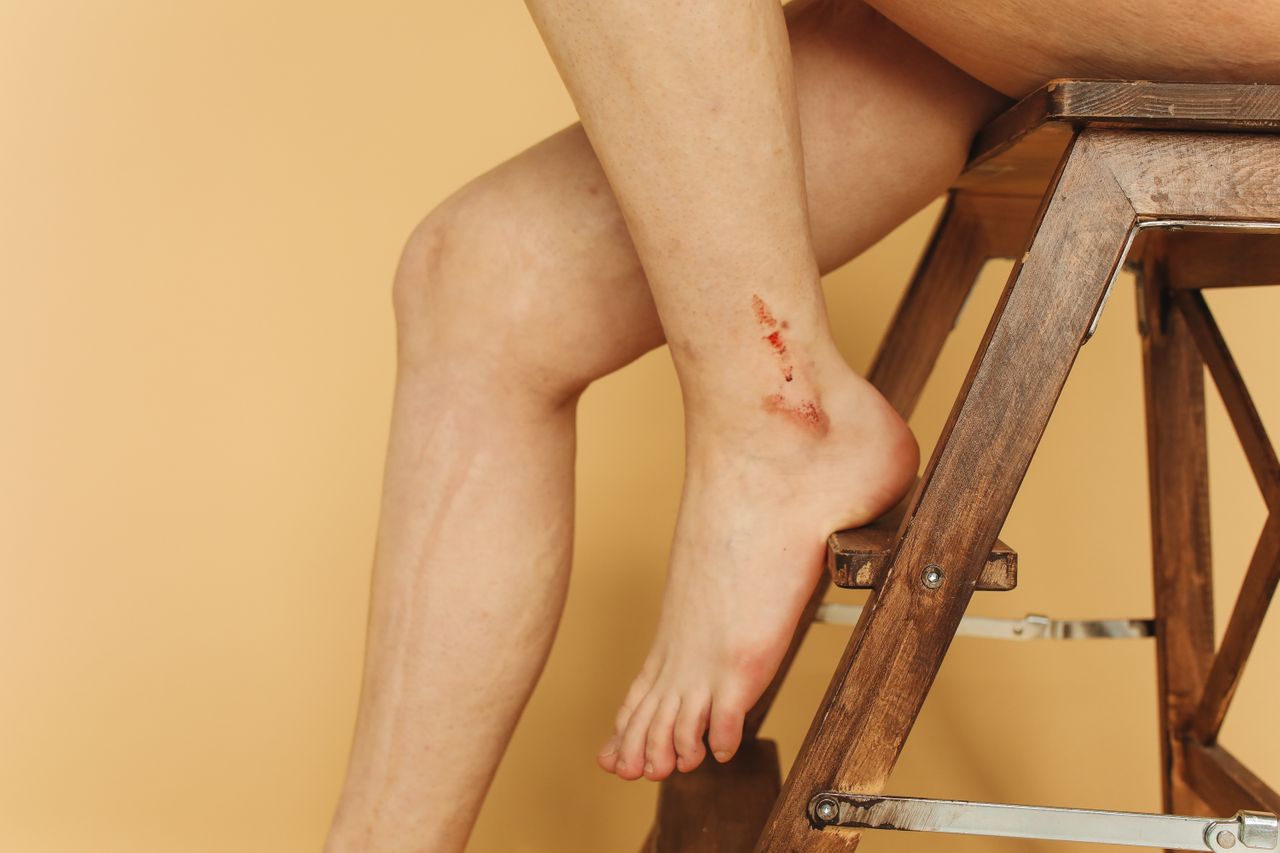
Then document the scene. Photograph the area where the accident happened, any visible damage, and your injuries. Write down what you were doing, how you were using the product, what went wrong, and what happened immediately afterward. If anyone witnessed the accident, keep their contact information. In practice, these details can help create a clearer record of the accident if there is later a disagreement about how the product failed or how the injury occurred.
4. Report the Injury Without Giving Up Your Rights
Depending on the circumstances, you may need to report the injury to the manufacturer, retailer, employer, insurer, or an appropriate government agency. Reporting the incident can also create a record that the product was involved in an accident.
When making a report, stick to the facts you know. Do not guess about why the product failed or accept responsibility for the accident simply because you are unsure what happened.
You should also be careful if an insurance company contacts you. An insurer may ask for a recorded statement or offer a settlement soon after the accident. Before signing documents, accepting money, or making detailed statements about the incident, consider speaking with an attorney.
Once you accept a settlement, you may give up the right to seek additional compensation for the same injury. Understanding what you may be entitled to before agreeing to a settlement can help you avoid making a decision too early.
5. Take Action on Your Product Liability Claim
If a defective product caused your injury in Frisco, you may be able to pursue compensation from parties responsible for placing the product into the market. Depending on the circumstances, this could include a manufacturer, distributor, or seller.
The strength of a claim can depend on several factors, including the type of defect, how the product was used, the injuries suffered, and the evidence showing that the defect caused the accident. However, product liability attorneys such as the McCraw Law Group note that timing is crucial. Texas generally gives two years to bring a personal injury lawsuit, but do not assume you have plenty of time. Evidence can disappear, products can be repaired or discarded, and witnesses may become harder to locate. Taking legal action early can give you more time to preserve evidence and pursue your claim.
Conclusion: Protect Your Rights After a Product Injury
Being injured by a defective product can leave you dealing with medical bills, missed work, and uncertainty about who should be held responsible. You may have a product liability claim, but preserving evidence and documenting the injury can be important to building it.
Get medical care, keep the product and its records, document the accident, be careful when dealing with insurers or manufacturers, and take action before important deadlines become a problem.
The key is not to wait until the product is gone, the evidence is lost, or the filing deadline is approaching. Taking the right steps early can put you in a stronger position to understand and pursue your claim.
Disclosure – this is a collaborative post.

