Disclosure – this is a collaborative post.
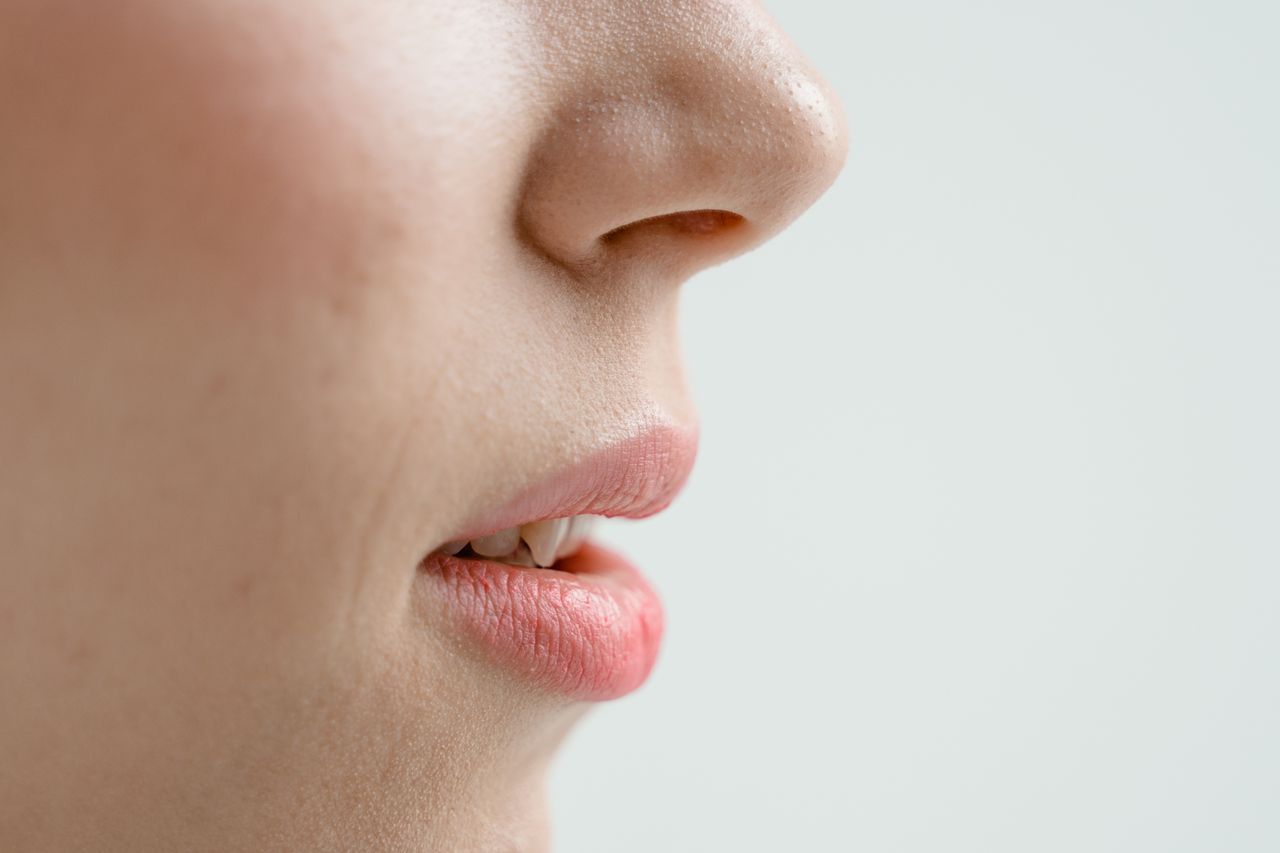
The nose sits at the center of the face, which means even small asymmetries or proportion issues tend to draw more attention than people often realize. A bump on the bridge, a tip that droops slightly, nostrils that feel too wide or too narrow for the rest of the face, these details can shape how balanced or harmonious a face reads at a glance, even when nothing else about the features has changed.
For people in New Jersey who are considering whether their nose looks out of proportion with the rest of their features, rhinoplasty exists specifically to address that kind of proportion issue, and understanding what it can realistically change is the first step toward figuring out whether it’s worth exploring.
Why Proportion Matters More Than Any Single Feature
Facial harmony isn’t really about any one feature being “perfect” in isolation. It’s about how each feature relates to the others, the width of the nose compared to the distance between the eyes, the projection of the tip relative to the chin, the way the bridge’s profile interacts with the forehead and lips when viewed from the side. A nose that’s technically fine on its own can still read as out of proportion if it doesn’t relate well to the rest of the face’s structure. This is exactly why rhinoplasty results vary so much between patients. The surgery isn’t correcting toward one universal shape. It’s correcting toward better balance with each patient’s individual bone structure and facial proportions.
Understanding this distinction matters because it shifts the conversation from “what does a good nose look like” to “what would actually look balanced on my face specifically,” which is a far more useful question to bring into a consultation.
What Rhinoplasty Can Realistically Address
A wide range of concerns fall under what rhinoplasty can meaningfully change, though the specific techniques used vary based on the concern.
- A visible bump or hump on the bridge, which can be smoothed through careful reshaping of the underlying bone and cartilage.
- A drooping or overly bulbous tip, refined through cartilage reshaping to create better definition and proportion.
- Nostrils that appear too wide or asymmetrical, which can be narrowed or balanced during the same procedure.
- A crooked or deviated appearance, whether from genetics or a previous injury, corrected through structural realignment.
- Breathing difficulties caused by structural issues, which functional rhinoplasty can address alongside cosmetic goals.
Not every concern applies to every patient, which is exactly why an individualized evaluation matters more than trying to diagnose your own case from general descriptions online. Two people with a similar-looking bump on the bridge might need entirely different surgical approaches once their broader facial structure is actually taken into account.
Getting an Evaluation Specific to Your Face
This is the point where generic information stops being useful and an actual consultation becomes necessary. An evaluation for rhinoplasty in New Jersey typically involves photographic analysis, a detailed look at the nose’s internal structure, and an honest conversation about what changes are both possible and advisable given your specific anatomy and facial proportions.
The Glasgold Group Plastic Surgery approaches each consultation by mapping out exactly how a patient’s nose relates to their broader facial structure before ever discussing specific technique, which tends to produce far more natural, proportionate results than working from a generic template.
This kind of individualized planning is part of why the most successful rhinoplasty results often don’t look “done” to an outside observer. They simply look like a more balanced, harmonious version of the same face.
Common Questions About Rhinoplasty
A few questions come up consistently for people exploring the procedure for the first time.
- How long does it take to see the final results? Initial swelling subsides within a few weeks, but the nose continues to refine gradually over several months to a year.
- Will my nose look “obviously different” to people who know me? Most well-executed results look like a natural, more balanced version of the patient’s existing face rather than a dramatically different feature.
- Can rhinoplasty fix breathing problems as well as appearance? Yes, functional and cosmetic concerns are frequently addressed together in the same procedure.
- Is recovery very painful? Most patients describe discomfort and congestion rather than significant pain, with the most noticeable swelling and bruising resolving within the first couple of weeks.
Thinking Through Whether It’s Right for You
Rhinoplasty is a deeply personal decision, and the right reasons for pursuing it vary from person to person. For some, it’s a lifelong self-consciousness about a specific feature. For others, it’s a functional breathing issue that happens to come with cosmetic benefits as well.
What matters most is going in with realistic expectations about what proportion and balance actually look like for your particular face, rather than chasing an idea of a “perfect” nose that doesn’t account for your individual features.
Conclusion
A nose that feels out of proportion with the rest of your face is a genuinely common concern, and rhinoplasty exists specifically to address that kind of imbalance in a way that looks natural rather than overly altered.
Understanding what the procedure can realistically change, and just as importantly, what looks right for your specific facial structure, is the foundation of a result that feels like an improved version of yourself rather than a different face entirely. If proportion has been a long-standing concern, a detailed evaluation is the clearest way to understand what’s actually possible for you, without guessing based on someone else’s results.
Disclosure – this is a collaborative post.

