Disclosure – this is a collaborative post.
Dressing up your bundle of joy feels great, but you need to think beyond the latest styles and trends. Comfort is crucial, and cost also matters. An article published by The Bump explains that babies outgrow their clothes faster than you imagine. A budget of $50 per month is recommended for little ones, although you can save more by using hand-me-downs.
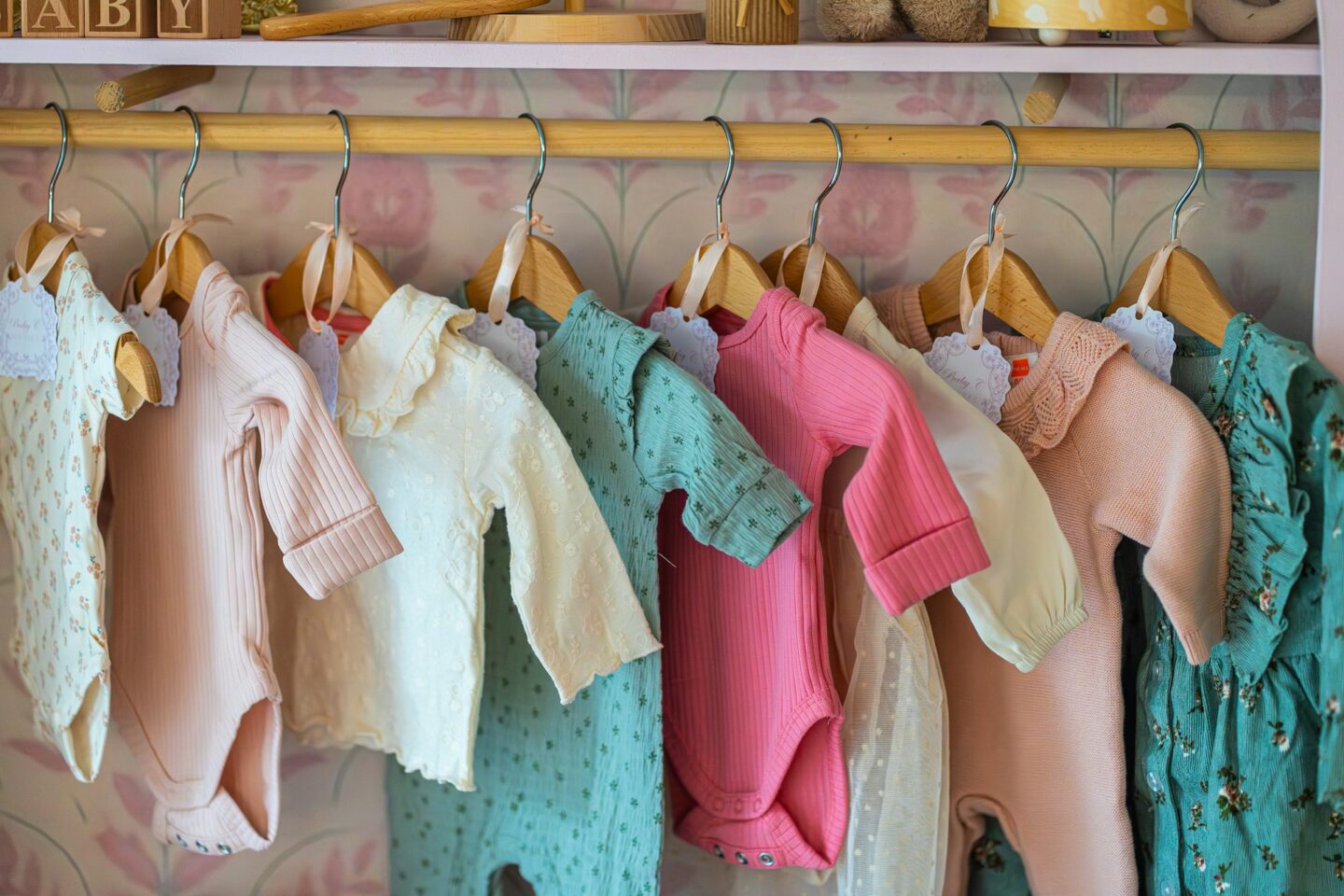
When it comes to aesthetics, putting together a baby’s outfit is about more than choosing an adorable print or matching tiny socks. The best outfits combine comfort, convenience, and a little personality, helping babies feel at ease while making everyday care simpler. Parents also need outfits that suit changing temperatures, frequent washing, and surprisingly quick growth.
By paying attention to these small details, it becomes easier to build a practical wardrobe that looks charming without adding unnecessary effort to dressing, changing, or getting out the door. In this article, we will share a few small yet thoughtful styling details to make your baby’s outfits work.
Choose Soft, Breathable Fabrics for Everyday Comfort
A WebMD feature highlights the importance of understanding a baby’s skin. Babies have delicate skin, whether 6 days, 6 weeks, or 6 months old. This means that the bath and skin care products you use for yourself can cause rashes and irritation on your little one. You also need to choose the right fabrics because fabric stays against a baby’s skin throughout the day.
Lightweight cotton is a practical everyday option, particularly in warm conditions, when breathable clothing and fewer layers help babies stay comfortable. Cotton jersey offers flexibility, while lightweight cotton muslin can work well for airy garments. Fabric weight matters as much as fiber content. A thick cotton outfit feels different from a thin cotton bodysuit.
Look beyond the material label and check the garment’s construction. Feel inside sleeves, around necklines, and along seams for rough edges or stiff stitching. Soft seams and unobtrusive labels help avoid unnecessary rubbing. Choose clothes that bend easily with the baby rather than feeling rigid. Simple, flexible pieces leave room for stretching, kicking, and exploring without bulky decorations causing trouble.
Focus on Practical Details That Make Dressing Easier
Thoughtful openings can make a noticeable difference during busy mornings and repeated diaper changes. Envelope necklines have overlapping shoulder panels that widen the opening, making bodysuits easier to maneuver. Depending on the design, they may also allow a soiled garment to come down over the body rather than over the head.
Front-opening outfits offer another convenient option for little ones. They let you avoid pulling clothing overhead. Look for securely attached snaps, smooth fastenings, and protective fabric behind zippers. At the same time, HSE recommends not using unsafe clothing for babies. For example, clothes with drawstrings or hats with strings or cords present choking risks. The baby’s bib should be removed before putting them to sleep.
Diaper access deserves equal attention. Crotch snaps or two-way zippers can reduce how much clothing needs removing during changes. Before buying, imagine using the closures while supporting a wriggling baby. Dressing and undressing should remain gentle. The best way is to guide a baby’s hand through a sleeve rather than pushing the arm through.
Use Accessories to Add Charm Without Compromising Comfort
Besides the right clothing, you must also choose accessories wisely for your baby. A few carefully chosen accessories can give simple clothes personality. Soft socks, an absorbent bib, or a lightweight outdoor hat can contribute something useful while completing the outfit. For sunny outings, a brimmed hat that shades the neck provides more practical coverage than a purely decorative cap.
Check accessories regularly for loose attachments, unraveling threads, or damaged fasteners. Avoid beads, small detachable ornaments, long ribbons, and neck ties that introduce choking or strangulation risks. Decorative details should never take priority over safety.
Lightweight shoes with soft, flexible soles and nonslip grip can complement an outfit while protecting little feet. You can explore a collection of soft-sole shoes for babies to pick the first pair. Before that stage, barefoot time or socks and soft booties for warmth are generally enough.
Shoes are needed only when babies learn to walk. Perroquet Shoes suggests buying shoes when your baby steps outdoors and needs protection from the ground. Measure both sides to pick the right size. Ideally, you should check the room around the toes and ensure that the heel stays secure.
Coordinate Colors, Prints, and Layers Thoughtfully
Like adults, baby styling also requires attention to color coordination. An outfit for your baby can look coordinated without matching every piece exactly. Start with two or three colors that work together, such as cream, sage, and muted blue. This creates a flexible foundation for mixing bodysuits, pants, and lightweight outer layers.
With prints, don’t go overboard, and let one item carry the main pattern. A striped top can pair with plain leggings, while printed pants often work well with a solid-colored bodysuit. Repeating one shade across separate pieces creates a finished look without requiring a complete matching set.
Layers should serve the weather rather than simply have decorative value. A removable cardigan offers flexibility when conditions change. Avoid assuming that more clothing always means greater comfort: pediatric guidance notes that babies may need only a single clothing layer in hot weather. Adjust the outfit to the conditions instead of following a fixed formula.
Prioritize Fit, Flexibility, and Care
Age labels provide a starting point, but the actual fit matters more. Baby clothing age labels are best treated as estimates rather than exact sizing rules. A label such as “0–3 months” indicates an approximate age range, but two babies of the same age may need different sizes. Parents Magazine explains that toddler sizing also varies with individual growth, making height and weight useful guides when choosing clothes.
Kara Carter, chief product officer at Hanna Andersson, recommends checking a baby’s individual height and weight measurements rather than relying on age alone. Parents should also consult each brand’s size chart and look for signs that clothing is becoming too tight or short.
Clothing should allow comfortable movement without pulling tightly or leaving excessive fabric around the face. Stretchy fabrics and gentle elastic can make everyday outfits more forgiving. Adjustable features may extend usefulness, provided they remain secure and do not introduce loose cords. Check cuffs and waistbands as the baby grows rather than assuming a familiar size still fits.
Care instructions are equally important. Machine-washable pieces that suit the household’s laundry routine are easier to keep in regular use. Before purchasing, check washing temperatures, drying instructions, and whether decorative elements need special handling. Practical clothes should simplify care, not create extra chores.
FAQs
What fabrics are best for comfortable baby outfits?
Lightweight cotton is ideal for everyday clothing, especially in warm weather, when breathable clothing helps babies stay comfortable. Cotton jersey offers stretch, while cotton muslin is a lightweight option. Check the finished garment as well as its fiber label. Soft seams, flexible construction, and an appropriate fabric weight all matter.
Which accessories can make baby outfits look more stylish and practical?
Soft socks, absorbent bibs, soft-sole shoes, and suitable outdoor hats can add color while serving a purpose. A brimmed hat can help shade a baby’s neck during sunny outings. Choose age-appropriate accessories without loose strings or detachable decoration and supervise their use.
How can parents choose baby clothes that are both cute and easy to maintain?
Start with washable basics in a small, coordinated color palette. Choose simple prints, accessible diaper closures, and comfortable cuts that mix easily with other pieces. Read care labels before buying, check fasteners regularly, and avoid delicate decorations that complicate laundering. Prioritize clothes that remain useful beyond a single carefully styled outfit.
Key Takeaways
| Baby Clothing Factor | Key Data or Recommendation | Practical Benefit |
| Fabric choice | Lightweight, breathable cotton | Supports everyday comfort and reduces unnecessary irritation. |
| Dressing convenience | Envelope necklines, front openings, and diaper snaps | Makes dressing and diaper changes easier. |
| Accessories | Soft socks, absorbent bibs, and brimmed outdoor hats | Combines style with practical use. |
| Size selection | Check the brand’s height and weight chart | Helps find a better fit than relying on age labels alone. |
| Budget and care | The Bump suggests budgeting around $50 per month; hand-me-downs can reduce costs. | Helps manage spending as babies quickly outgrow clothes. |
The details that make baby outfits work are usually simple rather than showy. Instead of building a wardrobe around outfits that only look appealing on a hanger, consider how each piece will function during feeding, changing, resting, and play. A smaller collection of versatile, easy-care clothes can offer plenty of combinations. The goal is a wardrobe that supports everyday family life while leaving babies comfortable enough to move and explore.
Disclosure – this is a collaborative post.

