
Disclosure – this is a collaborative post.
A road trip is one of the most exciting vacations you and your family or friends can end up embarking on, full of freedom, adventure, and the chance to make it truly your own by deciding where to go next and when to stop. However, it’s also a very long drive, so it is naturally full of potential hiccups along the way that, if not planned for, can bring an early end to your journey. Here, we’re going to look at some of the common emergencies you should be ready for, and what you can do to prep for them.
A Dead Battery
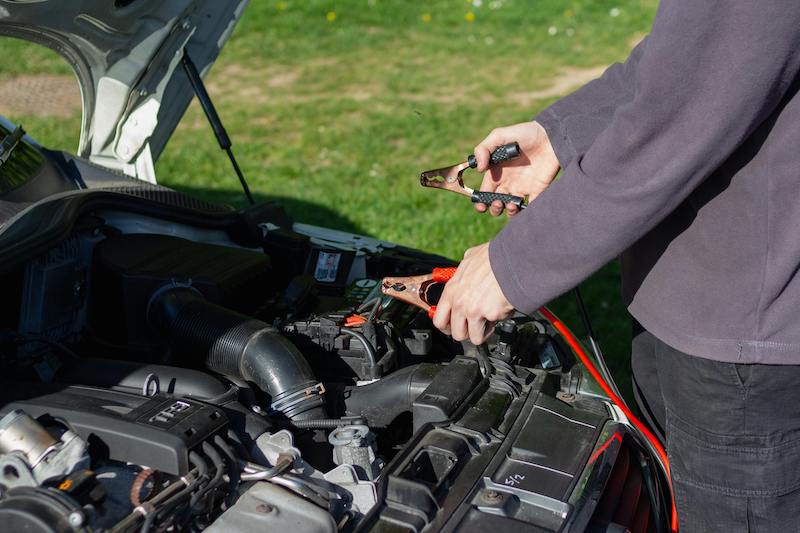
Imagine waking up in a hotel or at a campsite, ready to head off to the next destination on your trip, and then when you turn the key in the car, you hear nothing. A dead battery can happen for all kinds of reasons, whether it’s leaving the lights on, being out in really cold temperatures, or even just a fault with the battery. Carrying jumper cables or even a portable jump starter, which eliminates the need for another vehicle, can help you quickly get back up on the road. However, if the battery starts having faults again, it might be time to consider replacing it or bringing the trip back home before you get stranded somewhere.
A Flat Tyre
Perhaps one of the most common road trip emergencies, yet a lot of drivers simply aren’t prepared to handle it. If you hit a sharp object on the road or your tyre has some unforeseen pressure issues, you can quickly end up in an unstable and unsafe vehicle. Having a spare tyre and the means to change it is always wise, but if you don’t have the space to bring one around you, then at least make sure you have the number of the cheapest mobile tyre fitting near me. Being able to locate help when you need it is one of the most practical skills you can bring with you on your road trip, and it’s a good idea to note them in advance along your route, as you never know when you might be stuck in a place with poor internet access.
Your Engine Overheating
If you spot any of the signs that your engine is overheating, you should treat it as a priority. Small engine issues can become major mechanical failures if you cause it. It’s often caused by low coolant levels, a faulty radiator, or long periods of driving in hot weather. Warning signs include rising temperature gauges, steam from under the hood, or unusual smells. As soon as you experience any of these, you should pull over and turn off the engine as soon as possible. Let it cool, and don’t touch it or the radiator cap while it’s still hot. Make sure that you have extra coolant and water for the trip, so that you’re able to make sure it’s topped up for the rest of the trip.
Getting Lost
As handy as modern navigation systems might be, it’s still entirely possible to get lost on the road. If you’re in a remote area or a region with poor connectivity, then your GPS signals can drop. Relying solely on digital maps can leave you vulnerable when you no longer have them. Having a backup plan, like downloading offline maps for the local area or, better yet, a physical road atlas, can make sure that you still have some navigation tools. When you’re planning the next leg of your trip, read the route ahead of time so that you’re able to memorise at least part of it. If you do get lost, stay calm and avoid making sudden, risky turns. Pull over safely to reassess your route, instead.
Running Out Of Fuel
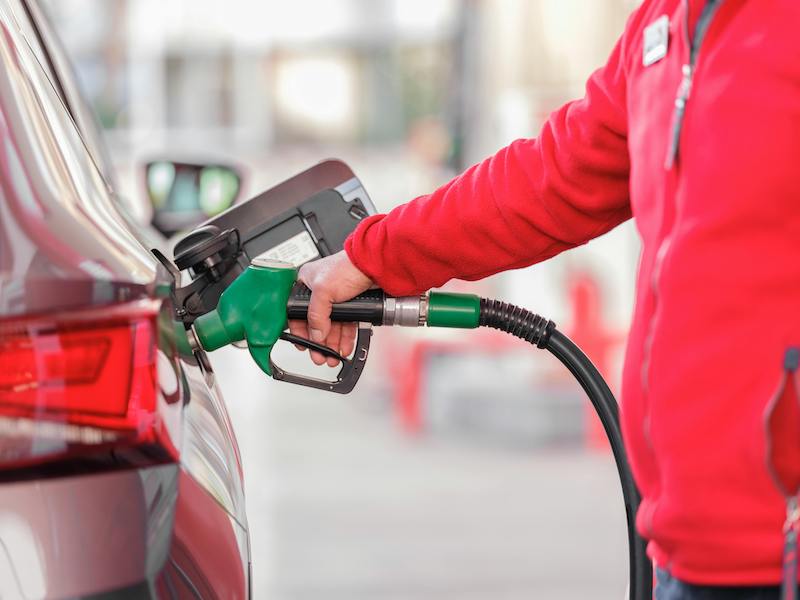
It might be one of the most avoidable issues you can run into on the road, but still, it happens a lot more often than you might expect, especially if there are long stretches between gas stations. Misjudging the distance of a drive, ignoring the warning signs, or assuming that your next stop is closer than you think can leave you stranded. Set a boundary for yourself, such as the quarter-full line, to determine when you’re going to actively look for a place ot stop for fuel, and consider carrying a small container to back you up if you’re at a real risk of being stuck in the middle of nowhere.
Severe Weather Conditions
The weather can change a lot faster than you might think, and what was once a pleasant drive could easily become a potentially precarious situation. Heavy rain, snow, fog, or strong winds can reduce visibility and road traction. Before setting out, check weather forecasts along your route. Having some of the essentials equipped, such as an ice scraper, flashlight, and water, is especially important if you’re driving in autumn or winter. If conditions worsen, then be sure to drive slower in general, manage more distance from cars in front of you, and make active, appropriate use of your headlights. The worse it gets, the wiser it might be to simply pull over and wait it out.
Medical Emergencies
Even a minor medical issue when you’re out in the middle of nowhere can feel intensely stressful to deal with. However, staying calm and having a plan of action can help you prevent yourself from descending into panic. Make sure that you have a well-stocked first aid kit in your car, including items like bandages, antiseptic wipes, pain relievers, and any personal medications. Know the basics of first aid and keep emergency contact numbers accessible. If someone in the car has any known conditions, then make sure that you’re aware of how to deal with them, and what necessary supplies you should keep with you just in case.
The best way to make sure you’re equipped for a road trip is to have your car checked before time and to pack everything you need to get through the emergencies above.
Disclosure – this is a collaborative post.

